Doctor Leaves Neonatal ICU to Open Inclusive Ceramic Studio Earning R$95k Monthly
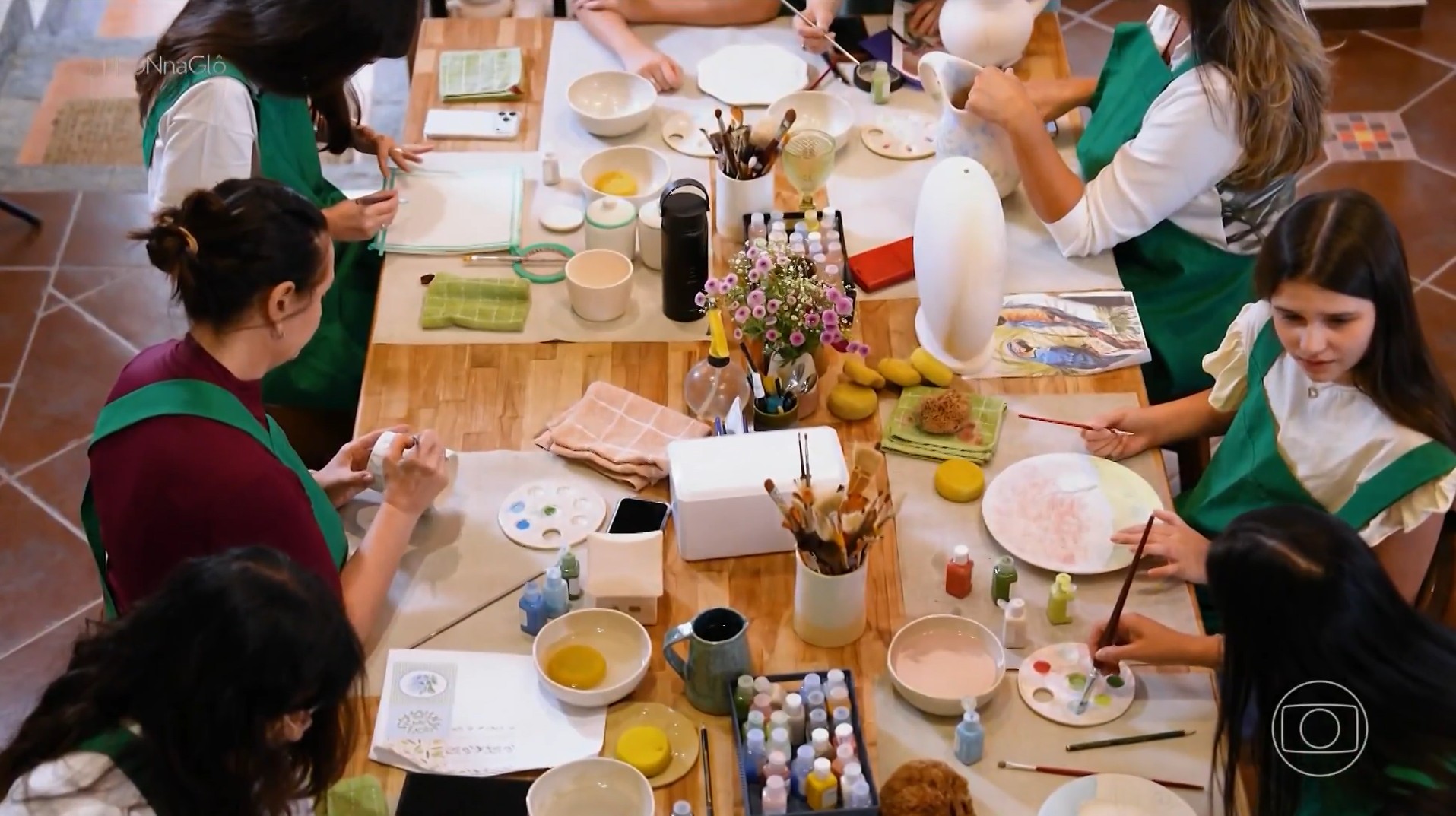
Maria Angélica Telles, known as Magé, a former pediatrician with over two decades of experience in neonatal intensive care units, has transitioned to entrepreneurship by opening an inclusive ceramic studio in Curitiba, Paraná, Brazil. This venture, which began as a way to connect with her son Thiago, who has a genetic condition requiring significant family adaptations, has evolved into a successful business blending art, inclusion, and personal connection. Magé discovered that working with clay provided Thiago with a rare opportunity for sustained focus, allowing them to spend hours together. The passion for ceramics, ignited in 2015, gained momentum during the pandemic, prompting Magé to pursue formal training in ceramics and business management. She has invested approximately R$900,000 in the project, establishing a studio-school designed to be a welcoming space for diverse individuals, particularly those with specific needs. The studio now achieves an average monthly revenue of R$95,000. Magé envisioned the school not just as an art institution but as a place of care and support, implementing personalized adaptations for students. Classrooms adjust sensory stimuli, lighting, and teaching methods based on individual requirements, with instructors collaborating with psychologists, occupational therapists, and doctors. Beyond ceramic classes, the studio has become a communal space for mothers and children, fostering shared experiences and conversations. Magé emphasizes that the business's significance is amplified by its origins in her relationship with Thiago, who now actively participates in the studio's growth and creates his own pieces.
This narrative highlights a significant career pivot driven by personal experience and a desire for a more impactful, human-centered enterprise. The transition from a high-stress medical field to an artisanal business focused on inclusivity demonstrates a societal shift towards valuing well-being and community connection alongside financial success. The studio's success, achieving R$95,000 in monthly revenue, suggests a market demand for accessible and supportive creative spaces. From a systems perspective, this model addresses gaps in traditional therapeutic and educational environments by integrating artistic expression with tailored support. Looking ahead, such inclusive, community-focused businesses may become increasingly vital as artificial intelligence and automation reshape traditional employment, offering alternative pathways for human engagement and skill development.
AI-generated to prompt reflection — not editorial opinion, not advice, not a statement of fact. How this works.