Doctor performs Heimlich maneuver on his 4-year-old son after he chokes on styrofoam ball
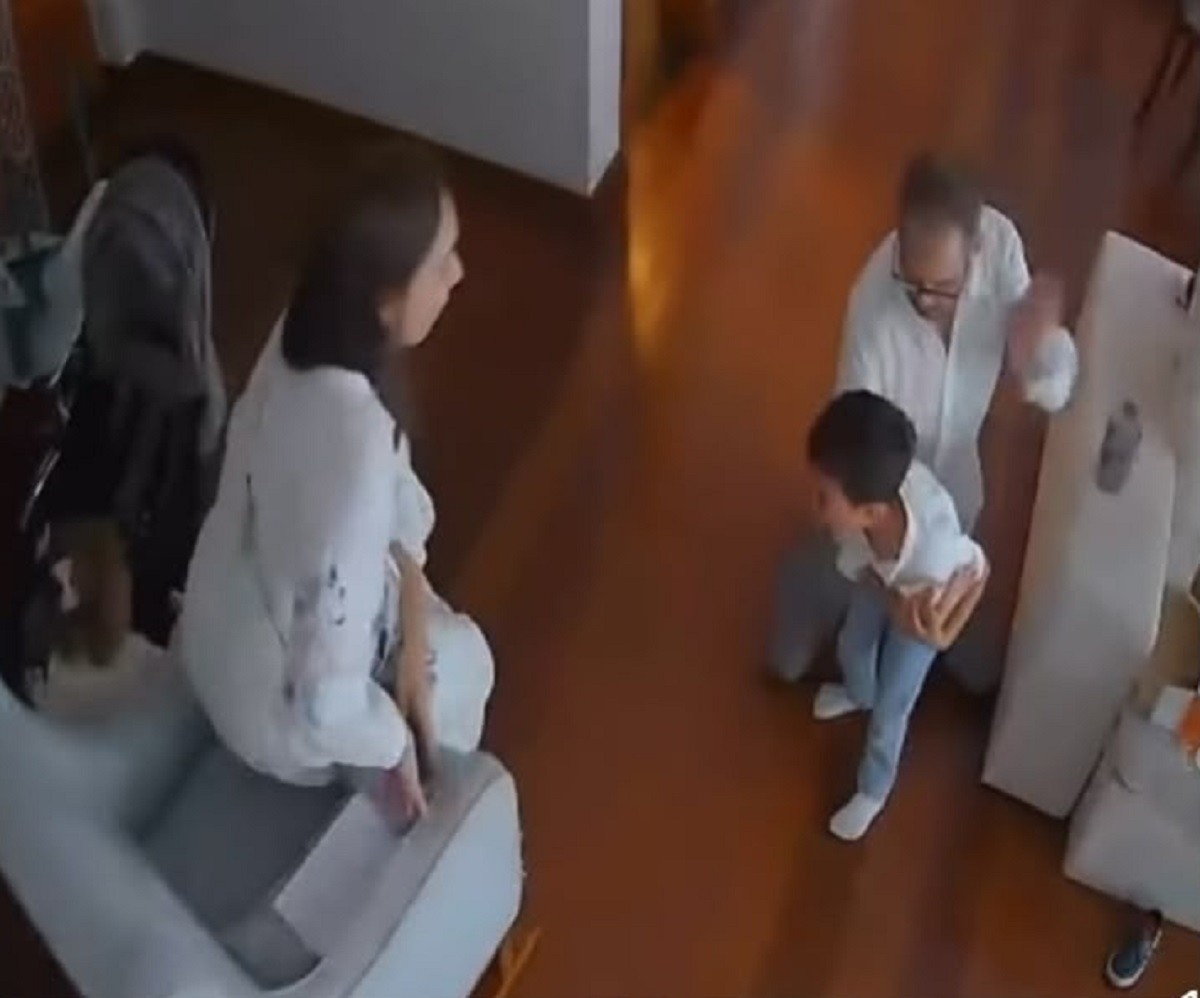
Dr. Allysson Dângelo de Carvalho, a 45-year-old physician, successfully saved his 4-year-old son, Francisco, from choking on a small styrofoam ball using the Heimlich maneuver. The incident occurred at their home in São João del Rei, Brazil, on Sunday, May 12th. Dr. Carvalho described the experience as a mix of intense emotions, feeling both the professional responsibility of a doctor and the deep fear of a parent. He recounted the critical 17 seconds it took to dislodge the object, noting the surge of adrenaline followed by relief, which led him to collapse to the floor. The event was captured on home surveillance cameras, showing the emotional aftermath, including Dr. Carvalho in tears. He revealed that the situation brought back memories of having to perform first aid on his own father before emergency services arrived. Motivated by the experience and a desire to educate others, Dr. Carvalho shared the video on social media, where it gained significant traction, exceeding 2 million views. He emphasized the importance of knowing proper first aid techniques, as misinformation is prevalent online. Dr. Carvalho, who has extensive experience with the Mobile Emergency Care Service (SAMU) and teaches health sciences at the Federal University of São João del Rei (UFSJ), stressed that the Heimlich maneuver requires specific technique and correct force, not just brute strength. The article also provides general guidelines for assisting infants and older children/adults in choking emergencies, advising immediate calls to emergency services.
This incident highlights the critical importance of immediate, trained intervention in life-threatening choking emergencies. While the physician's professional skills were instrumental, the emotional toll underscores the unique vulnerability parents face when their children are in danger. The widespread sharing of the video serves as a powerful, albeit emotionally charged, public health awareness campaign. It prompts reflection on how readily accessible, accurate first-aid training can mitigate risks across the population, especially as object ingestion by young children remains a common hazard. Future public health strategies might consider leveraging accessible digital platforms to disseminate standardized, practical first-aid instruction, ensuring individuals are equipped to act decisively and effectively in such high-stakes situations, thereby reducing reliance on chance or immediate professional medical response.
AI-generated to prompt reflection — not editorial opinion, not advice, not a statement of fact. How this works.