Doctor Responds to Appearance-Based Cyberbullying, Calls Society 'Sick'
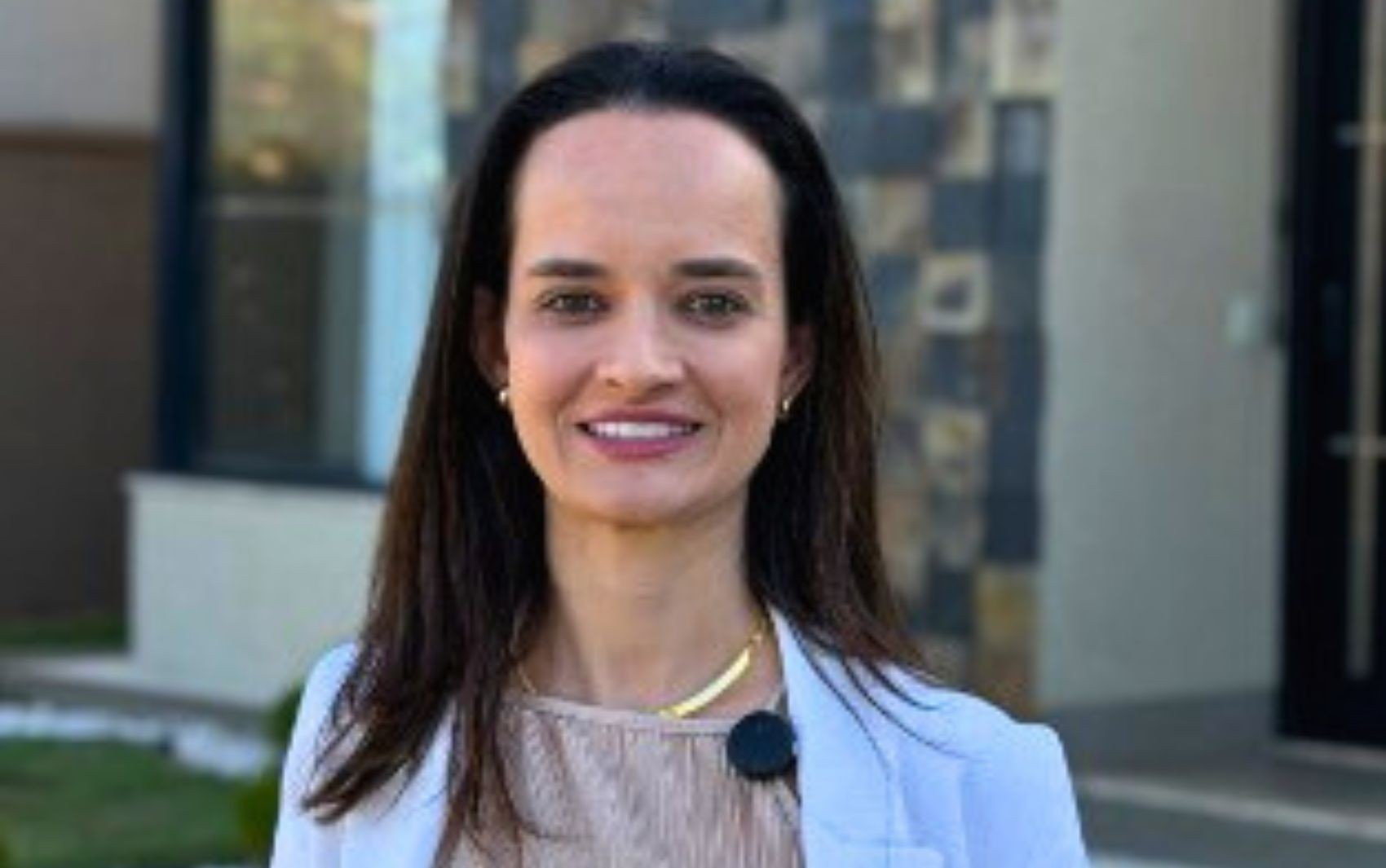
Dr. Monique Guilarducci Laureano, a 35-year-old pain specialist in Goiânia, Brazil, has gained attention for her strong response to cyberbullying targeting her physical appearance. She discovered the attacks through doctored videos of herself, including one where her appearance was altered with a "mud filter." Dr. Laureano described the cyberbullying as intense and malicious, noting that such attacks could cause significant harm to individuals without strong emotional resilience. She expressed concern that "society is sick" due to the prevalence of such negativity online.
Initially, Dr. Laureano felt fear and sadness upon learning about the altered videos and hurtful comments, which were also shared with friends and family, causing them embarrassment. Some comments even came from individuals in other countries. Despite the emotional toll, she emphasized that her professional confidence and focus on her work remained unshaken. She stated her primary goal is professional visibility, not internet fame, and that personal support has been crucial. Her legal team is aware of the situation and taking action against the defamation of her image.
Dr. Laureano observed that contemporary society overvalues superficial appearances, particularly for women, who face greater aesthetic pressures than men. She believes this focus on "looking like" rather than "being" is detrimental. Her experience, while personally distressing, has deepened her empathy for patients who face judgment and bullying. She advises focusing on one's inner self and purpose, valuing professional competence, and prioritizing emotional well-being over external criticism, which she believes is inevitable.
This incident highlights the pervasive issue of cyberbullying and its disproportionate impact on women, exacerbated by societal pressures surrounding physical appearance. The doctor's response underscores the importance of emotional resilience and professional focus in navigating online harassment. From a systemic perspective, the ease with which digital content can be manipulated and weaponized against individuals raises critical questions about platform accountability and the need for robust digital citizenship education. The legal recourse pursued by Dr. Laureano points to the ongoing challenge of applying existing legal frameworks to novel forms of online harm. Looking ahead, the increasing integration of AI in content creation and dissemination may amplify these challenges, necessitating proactive strategies to foster a more ethical and supportive digital environment.
AI-generated to prompt reflection — not editorial opinion, not advice, not a statement of fact. How this works.