Doctor Revives Crochet Skills to Create Comforting "Octopuses" for Neonatal ICU Babies
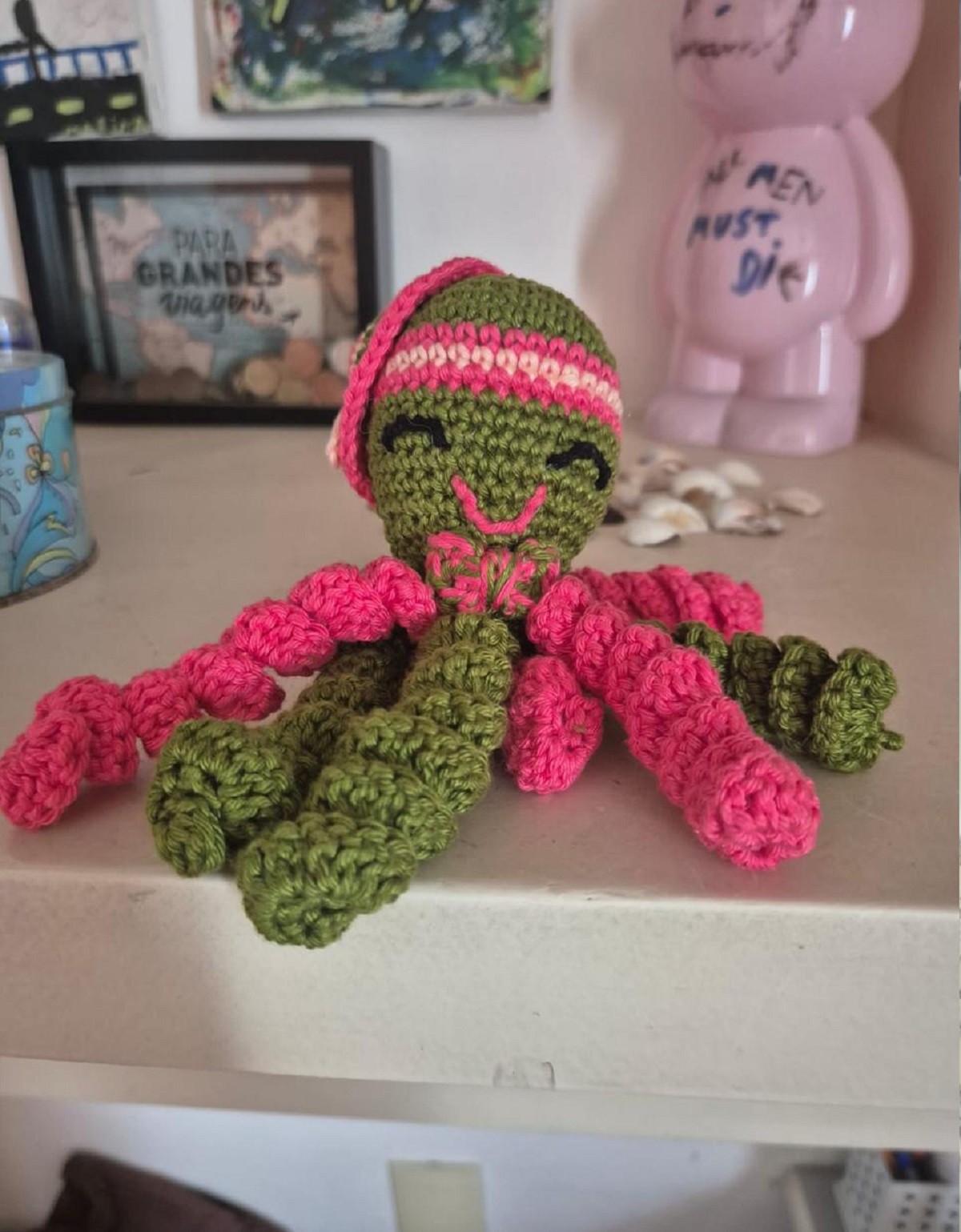
Dr. Fabiana Nogueres, a pediatrician at Hospital Albert Sabin in Juiz de Fora, Brazil, has rediscovered her crochet skills to create handmade octopus toys for premature infants in the neonatal intensive care unit (NICU). Driven by a desire to offer comfort, she has already produced over 100 of these "polvinhos," which accompany the babies throughout their hospital stay and become cherished keepsakes for families upon discharge. The initiative is part of the "Projeto Octo," a global project originating in Denmark seven years ago, which aims to humanize the hospital environment for vulnerable newborns. Dr. Nogueres was inspired by another mother whose child was in the NICU and who crocheted octopuses for other babies despite her own difficult circumstances. She quickly relearned the craft, comparing it to riding a bicycle. The octopuses are made with strict safety standards, using 100% cotton yarn, standardized measurements, and undergoing sterilization to prevent infections. Beyond physical care, the toys provide significant emotional support to parents, assuring them that their baby has a comforting companion in the incubator. Parents of former NICU patients, Roberta Maira da Silva Muniz Gaspar and Iale de Andrade Lins, shared how these octopus toys, affectionately called "polvinho do amor," provided solace and a sense of familiarity during their children's critical hospitalizations. The design, with its tentacles, is believed to simulate the womb and calm newborns, preventing them from pulling essential medical equipment. While the project has been successful in individual hospitals, there is no official recommendation from the Ministry of Health regarding their use in public NICUs.
This initiative highlights the growing recognition of the psychological and emotional impact of hospital environments on vulnerable populations, particularly premature infants and their families. By reviving a traditional craft, Dr. Nogueres is addressing a gap in care that extends beyond purely clinical interventions, focusing on humanization and comfort. The "Projeto Octo" exemplifies how simple, low-cost interventions can yield significant benefits in patient experience and parental well-being. The success of such projects raises questions about integrating non-pharmacological, human-centered approaches into standard hospital protocols, especially in resource-constrained settings. Future considerations may involve exploring scalable models for training and production, as well as formalizing guidelines for similar initiatives within national healthcare systems to ensure consistent quality and safety standards.
AI-generated to prompt reflection — not editorial opinion, not advice, not a statement of fact. How this works.