Doctor's body found in cemetery tomb in Porto Velho; police investigate
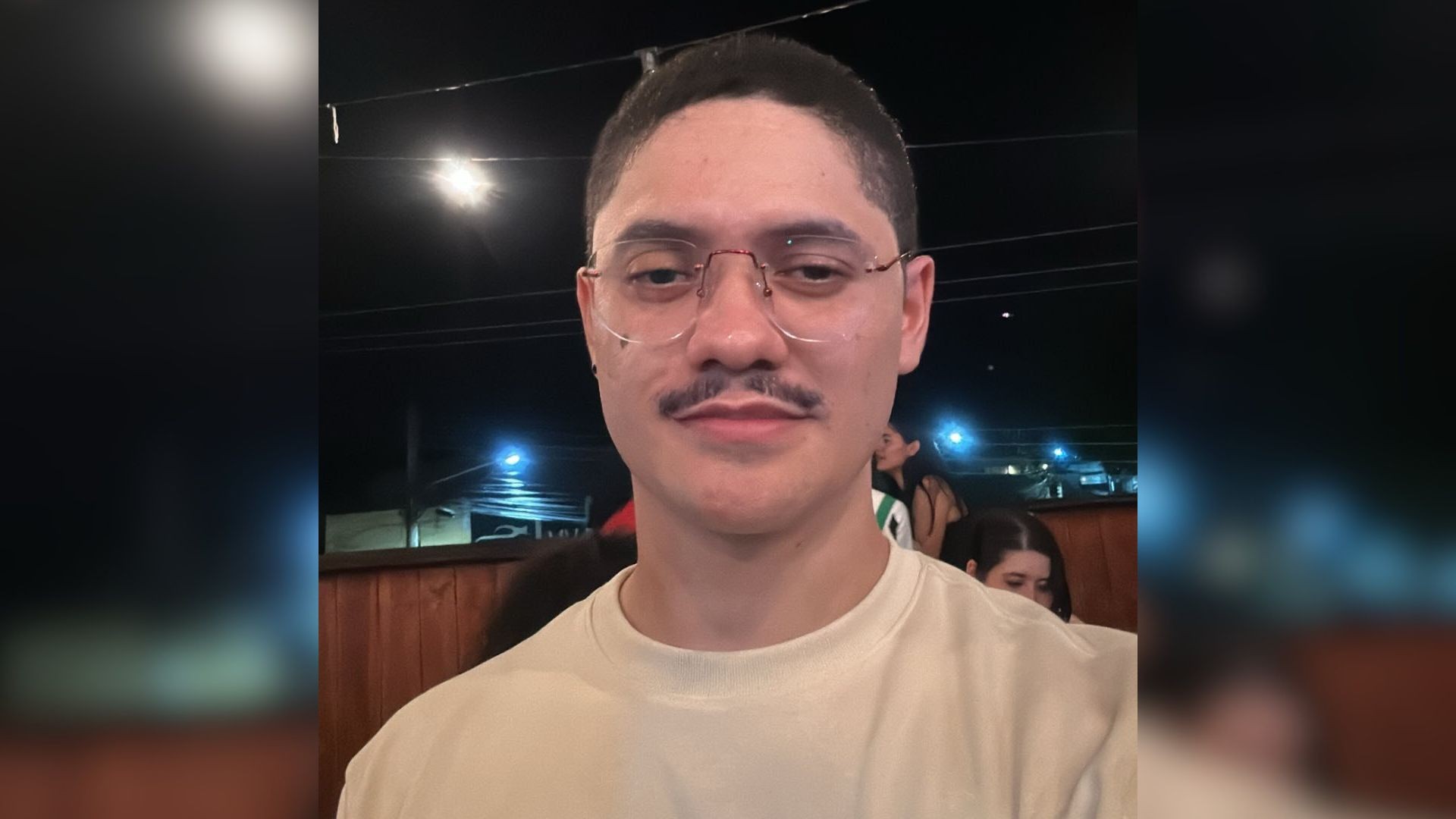
The body of 32-year-old resident doctor Lucas Macedo Martins was discovered inside a tomb at the Santo Antônio Cemetery in Porto Velho, Rondônia, Brazil. Dr. Martins had been reported missing since Tuesday, October 21st. Cemetery employees noticed a disturbed grave with a broken lid and alerted the authorities upon finding the deceased. Investigators identified the victim at the scene, though the method of identification has not been disclosed. He was found semi-nude and showed signs of assault, including a skull fracture on the left side, facial depression, and a severe eye injury. Police suspect Dr. Martins was with another individual at the cemetery prior to his death, and that an argument escalated into an assault. Evidence collected at the scene includes brick fragments with bloodstains and hair, which will undergo analysis. The investigation is also exploring the possibility that the victim's car was taken to Bolivia. The Civil Police are interviewing witnesses and gathering information to determine the nature of the crime and how it occurred, stating that all possibilities are being considered and further details will be released when appropriate.
This incident highlights the critical need for robust public safety measures and transparent investigation protocols, especially in urban areas. The unusual circumstances of the discovery, involving a violated tomb, suggest a complex event that requires meticulous forensic analysis and witness corroboration. The investigation's focus on potential interpersonal conflict and the recovery of physical evidence like bloodied bricks and hair are standard but crucial steps. The reported theft of the victim's vehicle and its alleged movement across international borders introduces jurisdictional complexities that may impact the investigation's scope and timeline. Understanding the systemic factors that may contribute to such violent crimes, beyond individual disputes, is essential for developing effective prevention strategies in the long term.
AI-generated to prompt reflection — not editorial opinion, not advice, not a statement of fact. How this works.