Doctor's delayed arrival at park leads to life-saving intervention for cardiac arrest victim
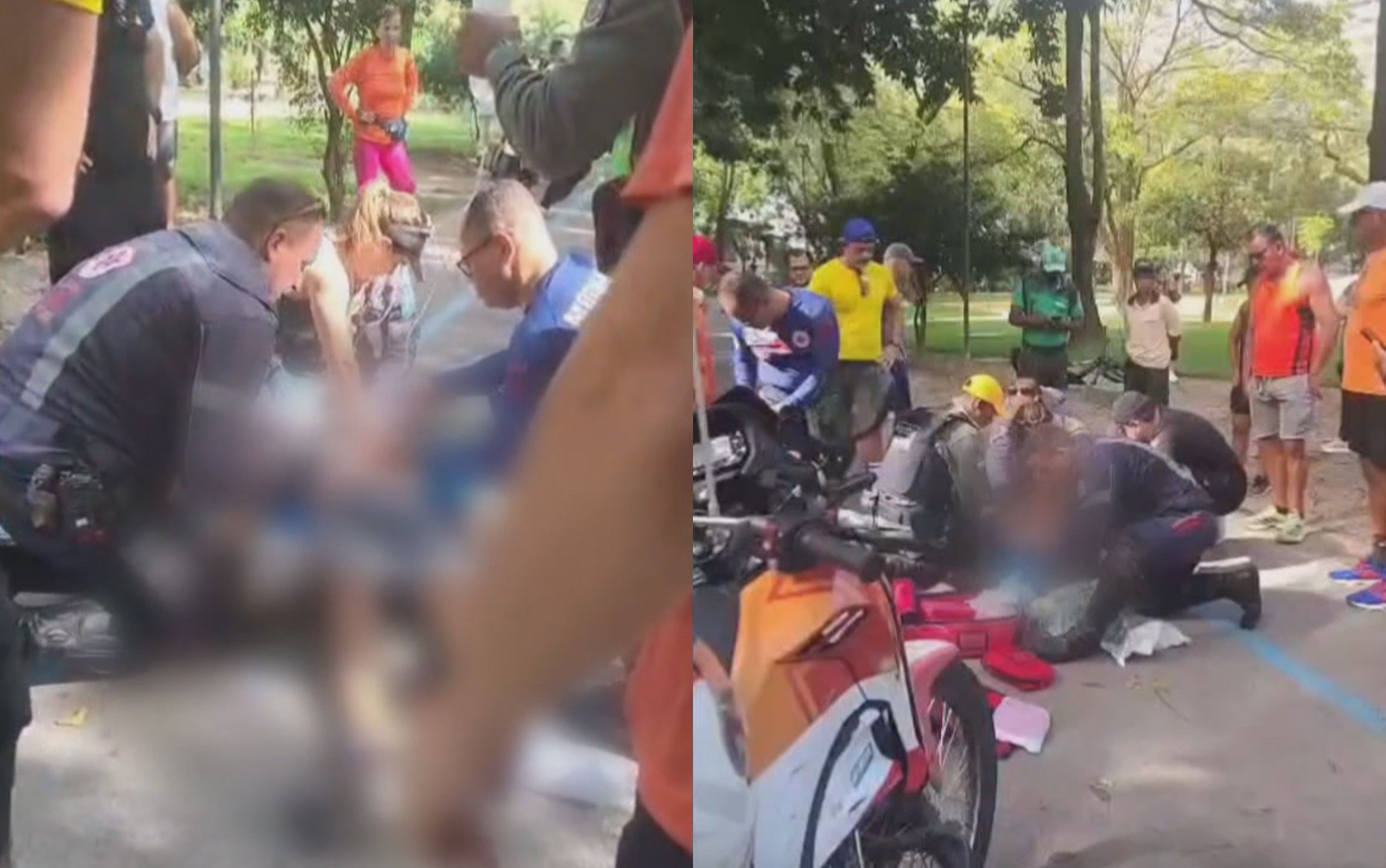
An anesthesiologist, Dr. Priscila Carvalho, unexpectedly arrived late to the Parque da Jaqueira in Recife, Brazil, for her usual morning run. Her delayed schedule led her to encounter a 65-year-old man who had collapsed and suffered cardiac arrest while walking in the park. Dr. Carvalho immediately initiated cardiopulmonary resuscitation (CPR) and continued the life-saving maneuvers for over ten minutes until emergency medical services arrived. She was assisted by two other individuals who helped alternate the physically demanding chest compressions to maintain their effectiveness. The patient's heart resumed beating before the arrival of the Mobile Emergency Care Service (Samu), which then used a defibrillator to stabilize him. Dr. Carvalho expressed profound gratitude for being in the right place at the right time to fulfill her medical oath. The incident highlighted a critical safety lapse: the absence of a defibrillator at the park, despite municipal and state laws mandating their presence in public spaces with high foot traffic. The Parque da Jaqueira, recently concessioned to private management by Viva Parques, along with other parks like Parque Santana, reportedly lacks this essential life-saving equipment. Experts emphasize that prompt CPR and timely defibrillation are crucial for survival in cases of cardiac arrest, often caused by heart attacks and resulting in life-threatening arrhythmias. Viva Parques stated that their emergency plans include defibrillators but did not explain their unavailability during the incident, adding that their use is subject to the attending medical professional's assessment.
This incident underscores a systemic failure in public safety preparedness, where regulatory compliance regarding essential medical equipment like defibrillators appears to be overlooked by private concessionaires managing public spaces. The fortuitous presence of a trained medical professional, whose attendance was serendipitously altered by a minor deviation from routine, highlights the vulnerability of the general public when such safety nets are absent. The situation raises questions about oversight mechanisms for private entities entrusted with public park management and the enforcement of laws designed to protect citizen health. Future planning should prioritize robust, verifiable implementation of mandated safety equipment across all public facilities, ensuring that reliance on chance encounters with medical personnel does not become a de facto emergency response strategy.
AI-generated to prompt reflection — not editorial opinion, not advice, not a statement of fact. How this works.