Doctor's Viral Satires Expose Online Health Scams with Humor
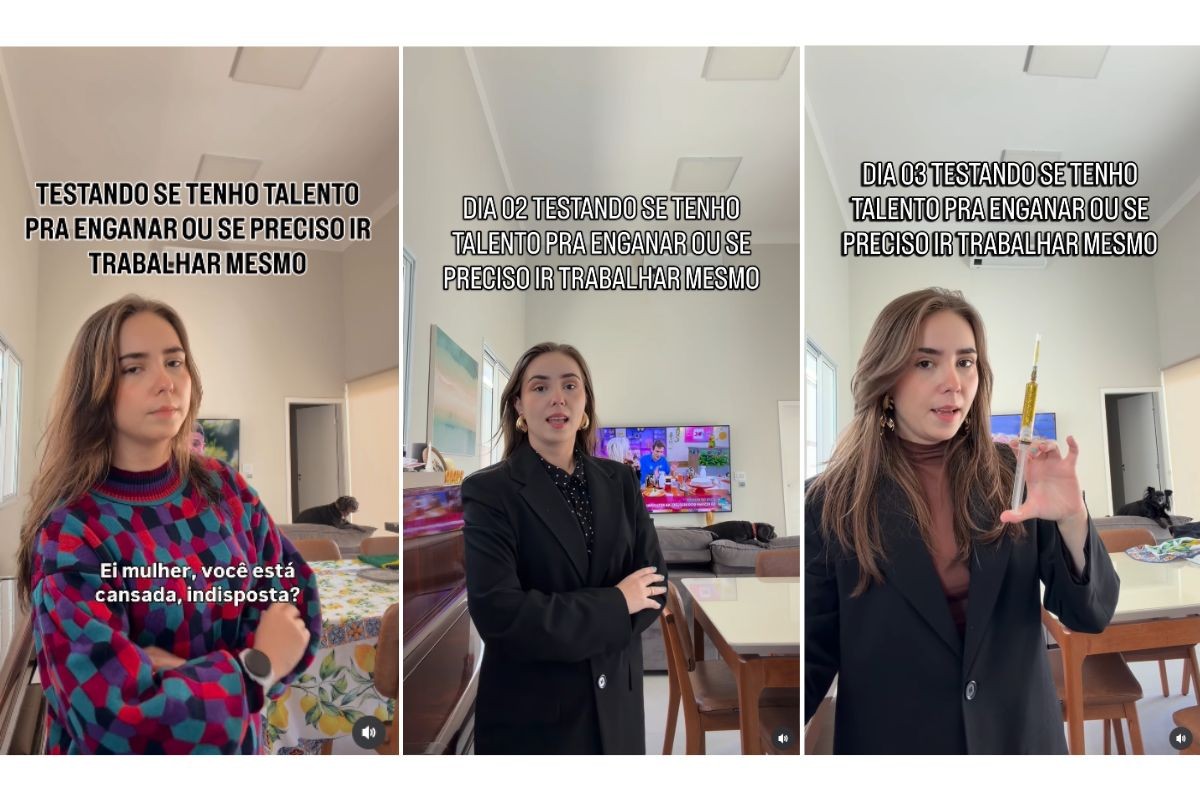
Dr. Carolina Perussi, a 28-year-old physician from Presidente Prudente, São Paulo, has gained significant online traction for her satirical videos debunking dubious health claims and "miracle cures" circulating on the internet. Her videos, which began on July 7th, humorously mock the exaggerated promises and ostentatious displays often used to sell unproven treatments. Perussi's ironic catchphrase, "Testing if I have a talent for deceiving or if I really need to go to work," sets the tone for her content. The initiative stemmed from her observation of numerous advertisements leveraging financial success to legitimize questionable health products. Her work has resonated widely, with over a million views and positive feedback from both the public and fellow healthcare professionals who recognize the shared experience of encountering such misinformation. She noted that the shared reactions indicated that no one's experience with these scams is isolated. The doctor aims to highlight how superficial markers of wealth, like luxury offices or designer clothing, are often misleading indicators of a practitioner's competence and can be far removed from reality. Perussi warns that these fraudulent offers frequently promote an image of "superation and wealth" before marketing expensive procedures for rapid cures. She advises the public to be highly vigilant against miraculous promises, diagnoses made without proper investigation, and miracle medications or protocols that claim extraordinary results.
Dr. Perussi's viral content effectively leverages humor and satire to combat medical misinformation, a growing concern amplified by social media platforms. By mimicking the persuasive tactics of fraudulent health schemes, she exposes their superficiality and highlights the disconnect between ostentatious marketing and genuine medical expertise. This approach democratizes health literacy, empowering individuals to critically evaluate online health claims rather than passively accept them. The widespread engagement suggests a significant public appetite for trustworthy, accessible health information that cuts through the noise of sensationalism and pseudoscience. Future efforts in this space could explore collaborative campaigns between medical professionals and trusted influencers to broaden reach and reinforce the message against health scams, thereby fostering a more discerning online environment for health-related content.
AI-generated to prompt reflection — not editorial opinion, not advice, not a statement of fact. How this works.