Doctor Saves 4-Year-Old Son from Choking on Styrofoam Ball
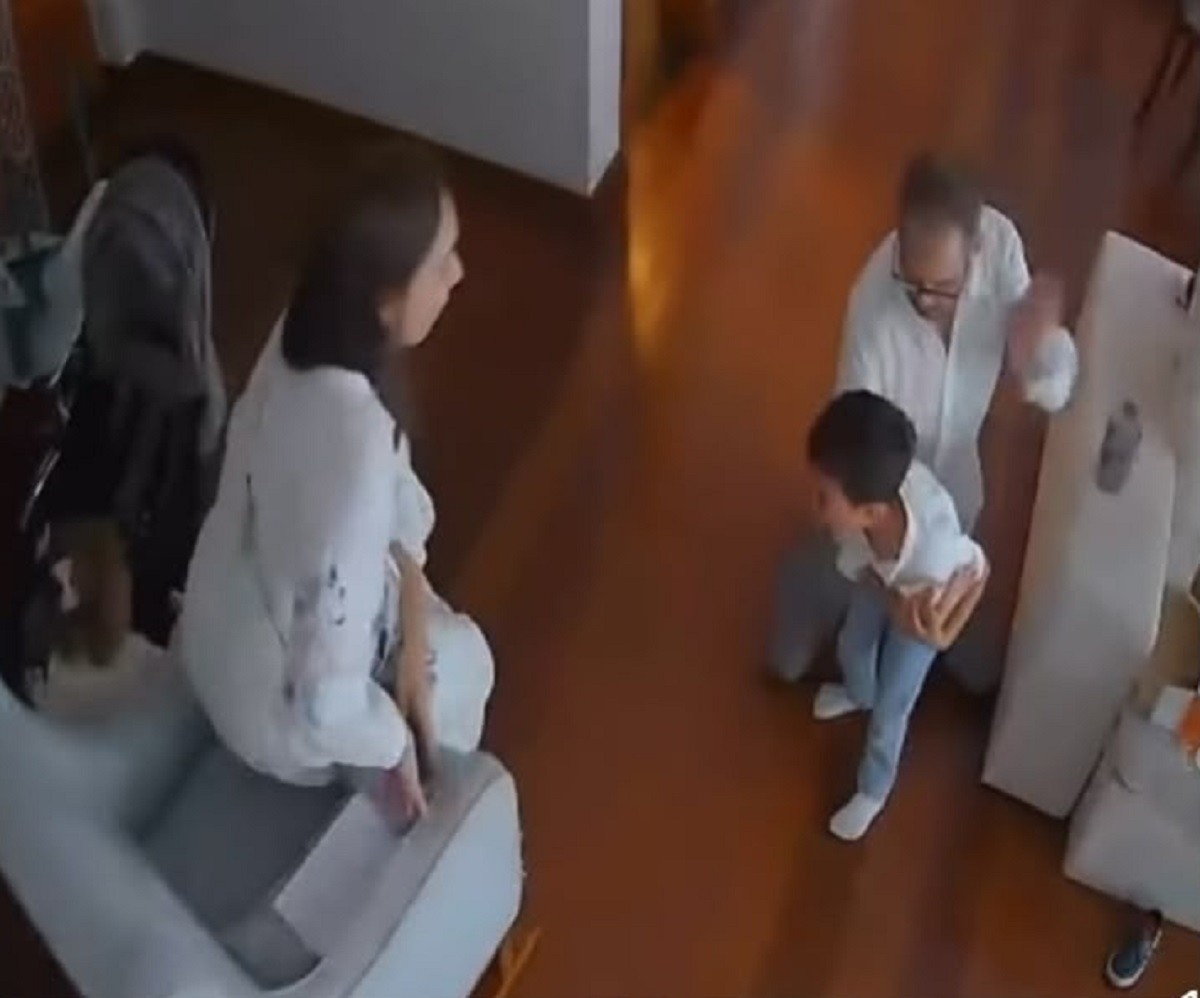
A 45-year-old doctor, Allysson Dângelo de Carvalho, successfully saved his son, Francisco, from choking on a small piece of styrofoam. The incident occurred at their home in São João del Rei, Brazil, on Sunday, December 12th. The styrofoam piece came from the packaging of a recently purchased sandwich maker. The entire choking event, from the moment Francisco began to struggle until his airway was cleared, lasted approximately 17 seconds. Dr. Carvalho administered the Heimlich maneuver, a first-aid technique for airway obstruction, to dislodge the object. The dramatic rescue was captured by the home's surveillance cameras. Dr. Carvalho, who has extensive experience from over a decade with the Mobile Emergency Care Service (SAMU) and as a health professor at the Federal University of São João del Rei (UFSJ), shared the video on social media with the intention of educating the public. The video gained significant traction, exceeding two million views. He explained that while he was acting as a doctor, the emotional impact was profound, leading him to recall a past traumatic experience of providing first aid to his father before emergency services arrived. The doctor emphasized the critical importance of knowing the correct technique for the Heimlich maneuver, noting that it's not just about applying force but doing so in the proper manner. He also highlighted the need for accurate first-aid information, contrasting it with potentially misleading online content. The article also provides step-by-step instructions for performing the Heimlich maneuver on infants and older children/adults, along with advice to immediately call emergency services (192 or 193) in such situations.
This incident underscores the critical societal value of widespread first-aid training, particularly for common childhood emergencies like choking. While Dr. Carvalho's professional background undoubtedly contributed to his swift and effective action, the emotional aftermath reveals the profound psychological toll such events can take, even on trained professionals. The virality of the shared video highlights a public appetite for practical, life-saving knowledge, but also points to the challenge of disseminating accurate information amidst a sea of online content. Future public health initiatives could leverage such high-profile events to promote standardized, accessible first-aid education, potentially reducing the risk of severe outcomes and mitigating the emotional distress associated with these emergencies. The system's reliance on individual preparedness, while necessary, also implicitly points to the need for robust community-level emergency response infrastructure and accessible training programs.
AI-generated to prompt reflection — not editorial opinion, not advice, not a statement of fact. How this works.