Documentary Highlights Family Farming's Crucial Role in São Paulo's 'Food Basket' Region
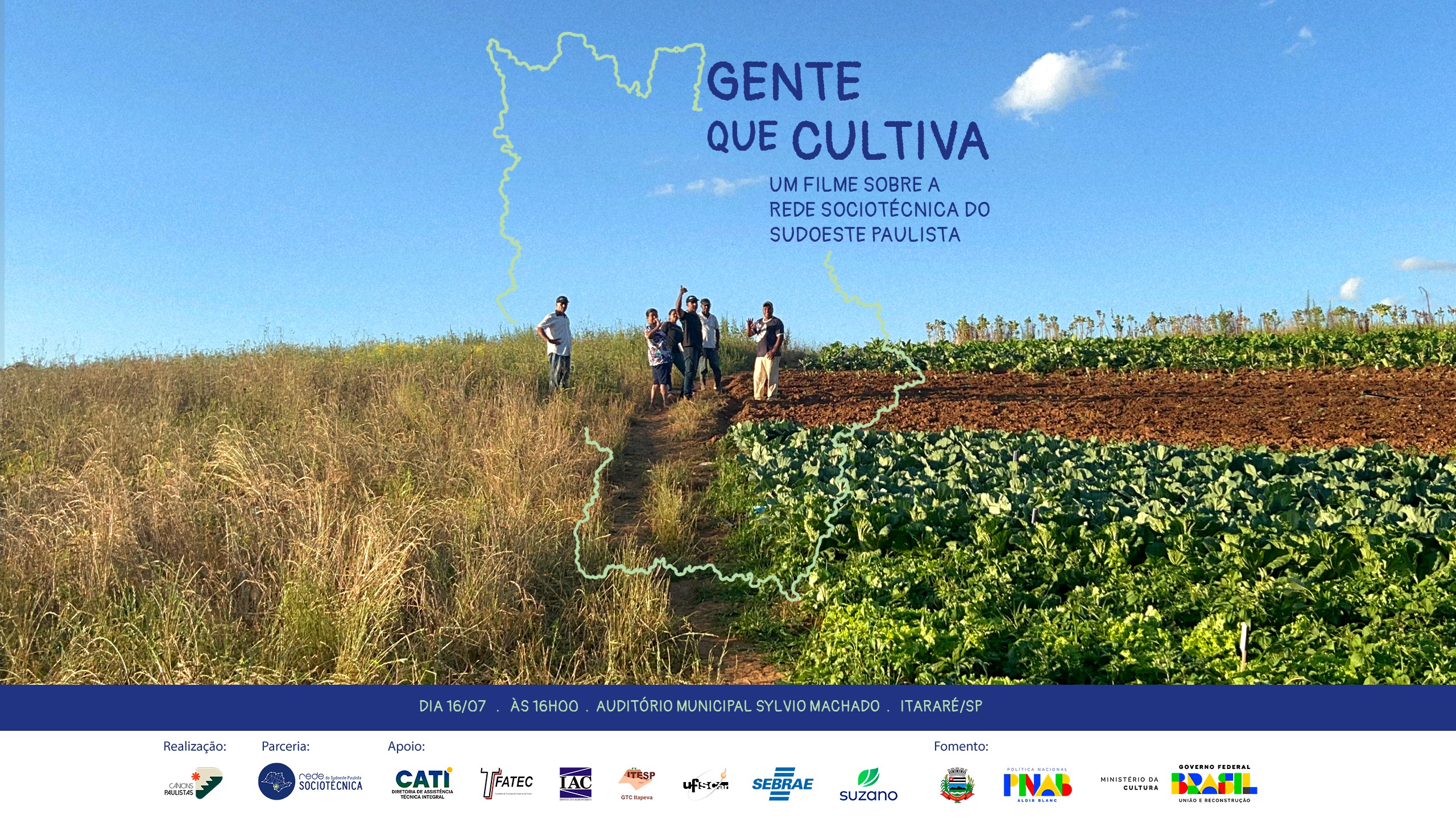
A new documentary, "Gente que Cultiva" (People Who Cultivate), produced by the non-profit Associação Cânions Paulistas, showcases the vital importance of family agriculture in the Sudoeste Paulista region of São Paulo state, Brazil. This area, comprising 32 municipalities and over 600,000 inhabitants, has a rural population of approximately 23%, significantly higher than the Brazilian average of 15% and the state average of 4%, making it one of São Paulo's most rural zones. The film features personal accounts from family farmers, quilombolas, indigenous people, and land settlers across eight municipalities, including Buri, Capão Bonito, and Itararé. The documentary aims to highlight the region's strategic role in food production for the state, emphasizing its diverse output that reaches consumers' tables, in contrast to the commodity focus of much of Brazil's agricultural sector. It also seeks to challenge rural stereotypes by showcasing the extensive knowledge and wisdom of these communities. The project, created with a modest budget of R$15,000 from Brazil's National Aldir Blanc Culture Policy, was filmed over seven days in late 2024 by a small team of three, who handled multiple production roles. The Associação Cânions Paulistas, founded five years ago, has been actively supporting rural communities since 2022, providing financial education, production planning, and assistance to small businesses. This work has reportedly helped families escape poverty and prevented rural businesses from closing. The documentary is set to premiere on July 16th at the Municipal Theater of Itararé and will later be available for free on the association's YouTube channel. The initiative also aims to strengthen the family farming supply chain by encouraging better planning and market access for producers.
This documentary serves as a valuable case study in regional development, illustrating how targeted support for family agriculture can bolster local economies, enhance food security, and preserve cultural heritage. By focusing on the Sudoeste Paulista's unique demographic profile and its role as a diverse food producer, the film implicitly critiques broader agricultural policies that may overlook the contributions of smaller-scale, diversified farming operations. The initiative's success in improving livelihoods and preventing business closures underscores the potential for structured support systems, such as the Rede Sociotécnica, to create sustainable rural livelihoods. Looking ahead, the integration of financial literacy and production planning into agricultural support models offers a scalable framework for empowering smallholders in the face of evolving market demands and climate challenges, potentially fostering greater resilience in regional food systems.
AI-generated to prompt reflection — not editorial opinion, not advice, not a statement of fact. How this works.