Does Eating Soft Foods Prevent Choking and Aspiration Pneumonia?
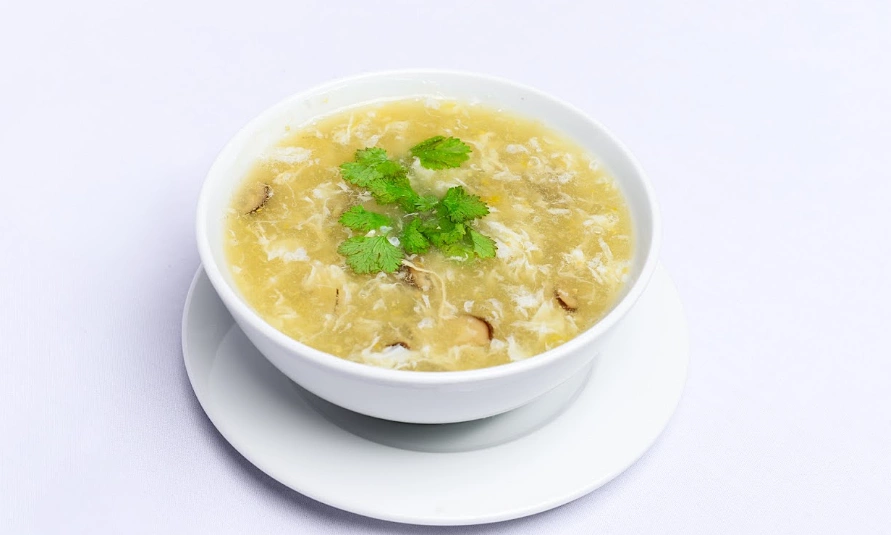
A 43-year-old individual from Hanoi, identified only as 'Kiểu Anh', is seeking advice regarding their father's hospitalization due to aspiration pneumonia caused by choking on food. This experience has prompted a question about whether elderly individuals should consume soft or liquid foods to mitigate the risk of choking. The inquiry aims to understand if dietary modifications can effectively prevent such dangerous incidents in older adults. Aspiration pneumonia is a serious condition that occurs when foreign material, such as food or liquid, is inhaled into the lungs. This can lead to infection and inflammation, particularly in individuals with impaired swallowing reflexes, which are common in the elderly. The question highlights a common concern for caregivers and family members of older adults who may be at increased risk of choking and its severe consequences. Understanding the relationship between food consistency and the risk of aspiration is crucial for ensuring the safety and well-being of this demographic. The inquiry suggests a need for clear guidance on dietary recommendations for the elderly to prevent aspiration-related health issues.
The inquiry raises a pertinent public health question regarding the efficacy of dietary modifications, specifically the consumption of soft or liquid foods, in preventing aspiration pneumonia among the elderly. While intuitively appealing, the effectiveness of such measures warrants careful consideration of the underlying physiological mechanisms of swallowing and the diverse causes of dysphagia in older adults. Factors beyond food consistency, such as neurological conditions, muscle weakness, and medication side effects, can significantly impair swallowing function. Therefore, a blanket recommendation for soft foods might not address the root causes of aspiration risk for all individuals. A comprehensive approach, potentially involving speech-language pathology assessments and tailored interventions, may be more effective than solely relying on texture modification. Future research could explore personalized dietary strategies informed by individual risk assessments and the long-term impact of different food consistencies on swallowing safety and nutritional status in the aging population.
AI-generated to prompt reflection — not editorial opinion, not advice, not a statement of fact. How this works.