Does Irregular Sleep Harm Libido?
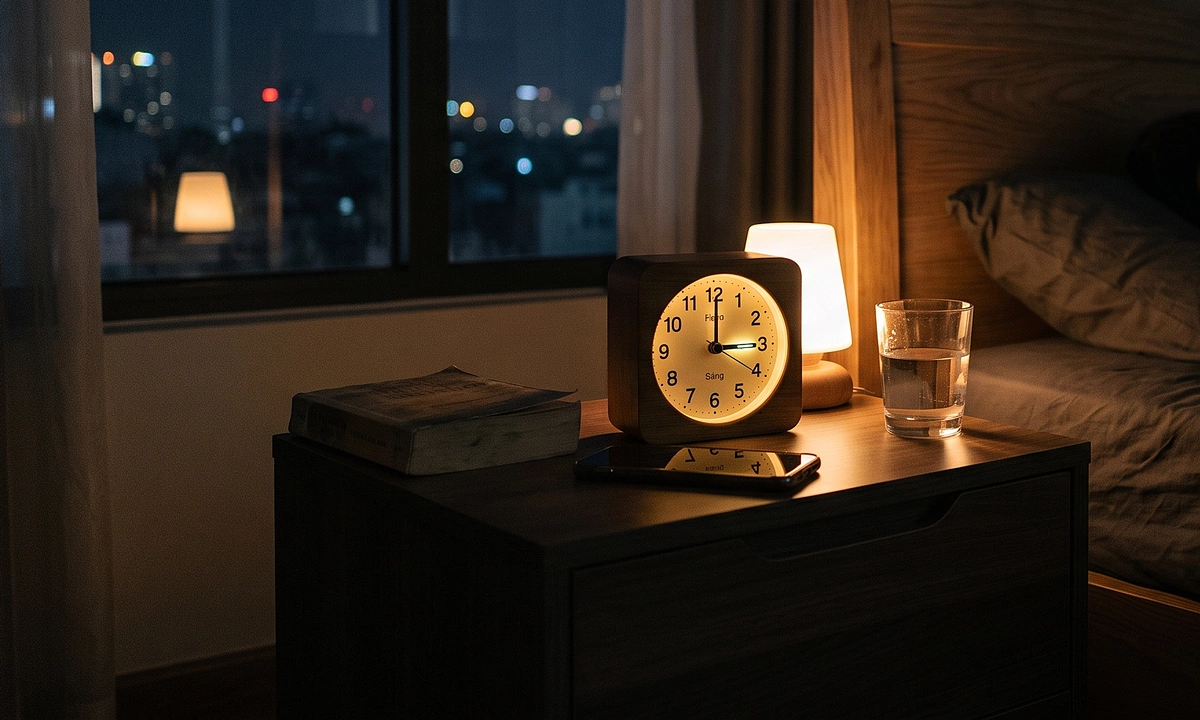
A 27-year-old man named Tùng from Hanoi has inquired whether sleeping at irregular times increases the risk of erectile dysfunction and decreased libido. This question addresses a common concern about the potential impact of disrupted sleep patterns on sexual health. The query suggests a perceived link between sleep quality and hormonal balance, which is known to influence sexual desire. Many individuals experience shifts in their sleep schedules due to work, social life, or other factors, leading to curiosity about its physiological consequences. Understanding this relationship is crucial for maintaining overall well-being. Further research into the specific mechanisms by which sleep deprivation or irregularity affects sexual function could provide valuable insights. This inquiry highlights the importance of sleep hygiene for both physical and mental health, including sexual vitality.
The inquiry links irregular sleep schedules to diminished libido and potential erectile dysfunction. This connection is plausible, as sleep disruption can affect hormone regulation, including testosterone levels, which are critical for sexual desire and function. Chronic sleep deprivation is associated with increased stress hormones like cortisol, which can negatively impact reproductive health. From a systemic perspective, modern lifestyles often necessitate irregular sleep patterns, creating a public health challenge. Addressing this requires promoting better sleep hygiene and understanding the long-term physiological consequences of societal demands on rest. Future research should explore the dose-response relationship between sleep irregularity and sexual health outcomes, potentially informing public health guidelines and individual lifestyle choices.
AI-generated to prompt reflection — not editorial opinion, not advice, not a statement of fact. How this works.