Does repeated ovarian stimulation increase the risk of early menopause?
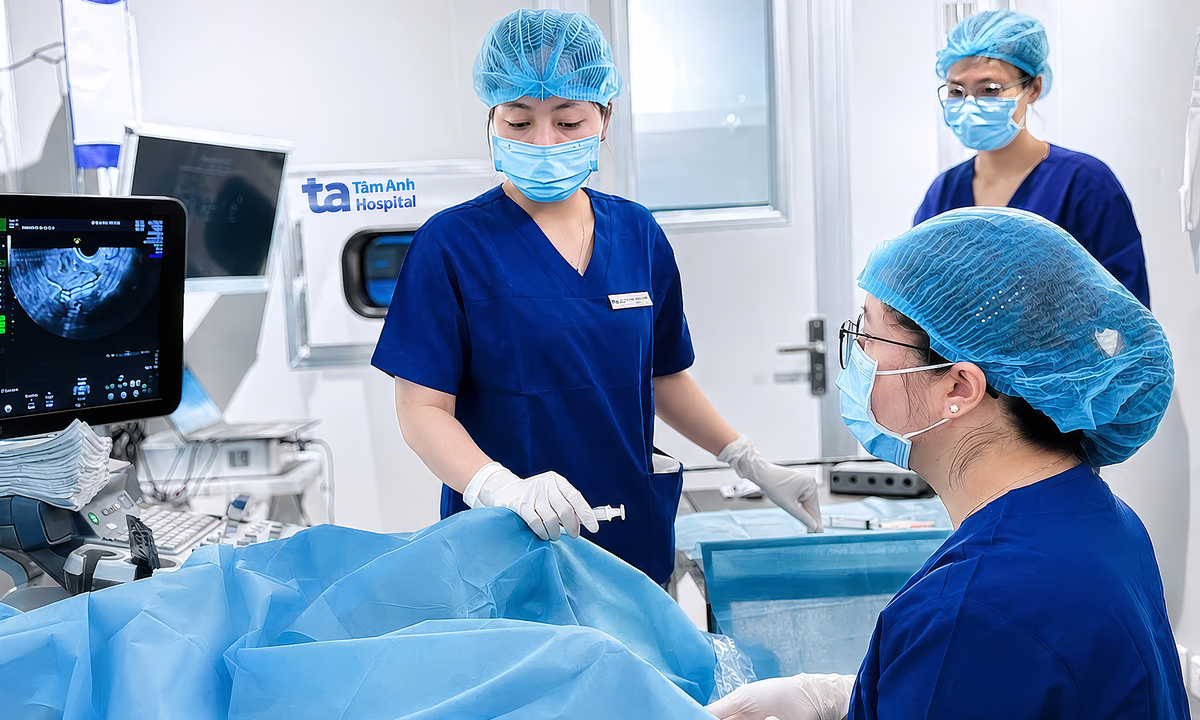
A woman identified as Hà from Ho Chi Minh City is seeking information about the potential long-term effects of repeated ovarian stimulation. She has an Anti-Müllerian Hormone (AMH) level of 0.7 ng/mL, which indicates diminished ovarian reserve. Her doctor has advised her to undergo egg retrieval for in vitro fertilization (IVF). Hà is concerned that undergoing multiple rounds of ovarian stimulation, a process used to encourage the ovaries to produce multiple eggs for IVF, might lead to premature menopause. She is asking for clarification on whether this medical procedure carries such a risk.
The patient's query centers on the potential impact of repeated ovarian stimulation on ovarian reserve and the onset of menopause. From a biological perspective, ovarian stimulation aims to maximize egg yield for fertility treatments by recruiting more follicles than would naturally mature in a single cycle. While the ovaries have a finite number of primordial follicles, the current scientific consensus does not strongly support the notion that the stimulation protocols themselves significantly deplete this reserve to the point of causing premature menopause. The AMH level of 0.7 ng/mL is a more direct indicator of existing ovarian reserve. Future research may further elucidate the long-term effects of cumulative stimulation, but current clinical practice generally views it as a safe and necessary step for achieving pregnancy in individuals with reduced ovarian reserve, balancing immediate fertility goals against potential future impacts.
AI-generated to prompt reflection — not editorial opinion, not advice, not a statement of fact. How this works.