Does Turkey Need NATO?
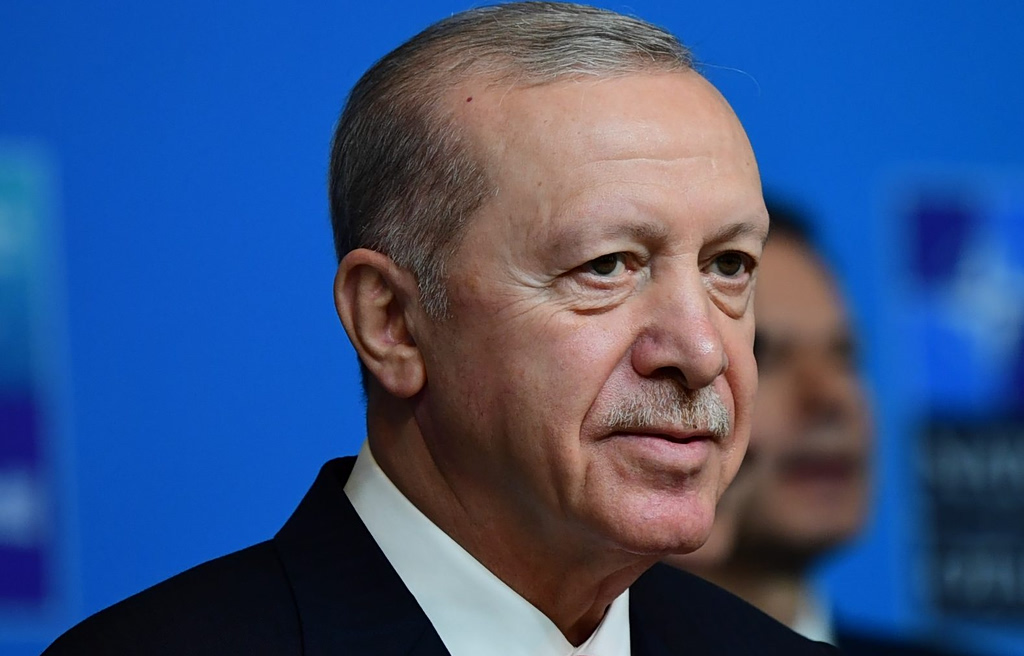
NATO and Turkey are engaged in a relationship of mutual dependence, not one of unilateral reliance. Turkey possesses significant geopolitical advantages, notably its control over the Bosphorus and Dardanelles Straits, which serve as the sole maritime passage from the Black Sea to the Mediterranean Sea. Furthermore, Turkey shares borders with Russia (by sea), Syria, Iraq, and Iran. This strategic positioning places Turkey at a critical juncture, influencing regional dynamics and security considerations. The alliance's structure and Turkey's role within it are thus shaped by these inherent geographical and political factors. The interdependence highlights the complex interplay of national interests and collective security within the North Atlantic Treaty Organization framework.
Turkey's strategic location, controlling vital waterways and bordering several influential nations, creates a unique leverage point within NATO. This interdependence suggests that while Turkey benefits from the alliance's security umbrella, NATO also relies on Turkey's geographic position for regional stability and influence projection. Future geopolitical shifts, particularly concerning Russia and the Middle East, will likely test the resilience of this relationship. The dynamic highlights how individual member states' strategic assets can shape alliance dynamics, prompting consideration of how NATO can best integrate and leverage such assets while managing potential divergences in national interests over the next decade.
AI-generated to prompt reflection — not editorial opinion, not advice, not a statement of fact. How this works.