Dog Attack Kills Approximately 150 Chickens on a Farm in Brazil
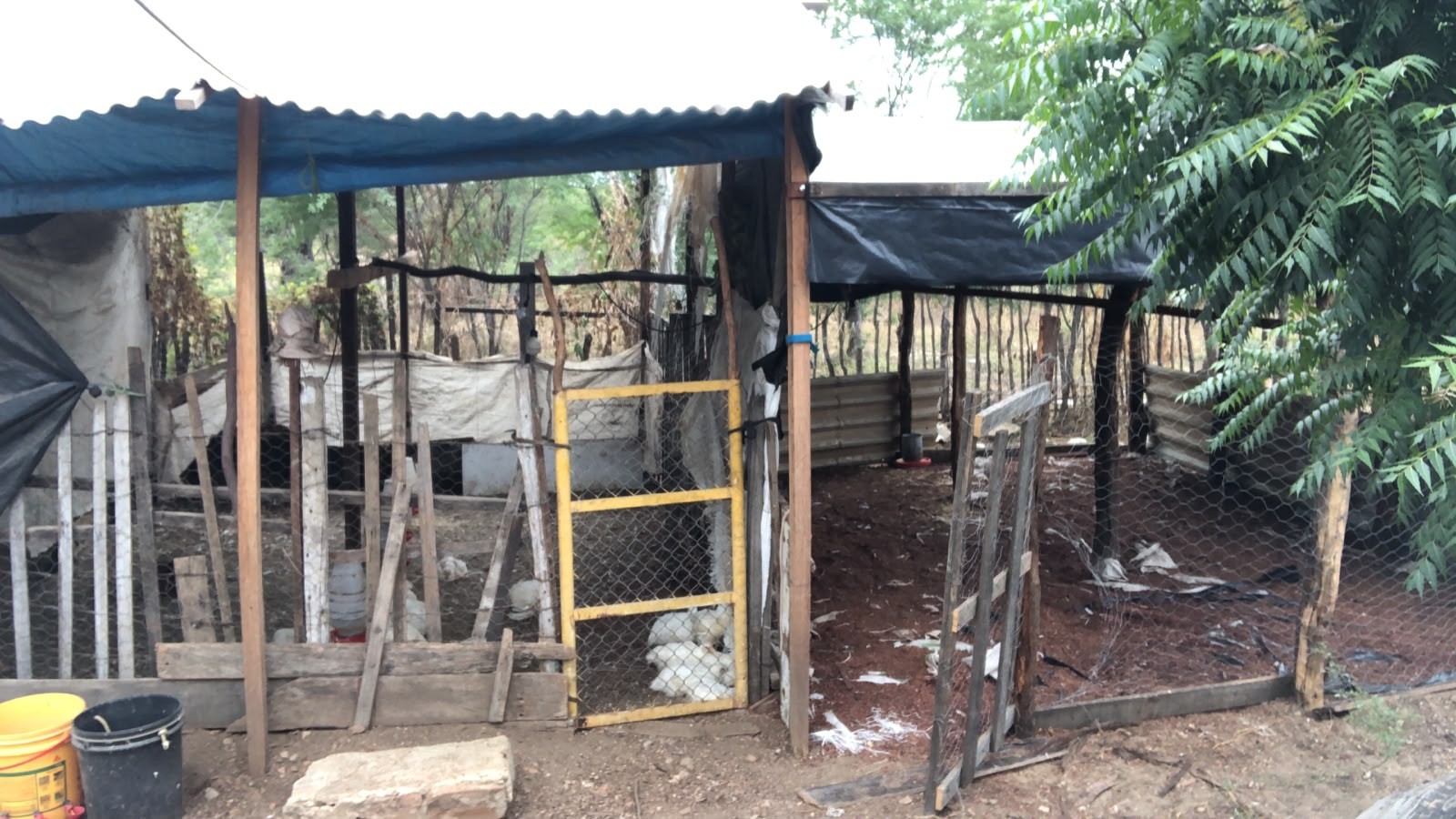
A devastating dog attack resulted in the deaths of around 150 chickens at a farm in Jardim do Seridó, in the Seridó region of Rio Grande do Norte, Brazil. The incident occurred during the early hours of Tuesday, May 7th. The farm's owner, João Victor Medeiros, discovered the destruction when he arrived to feed the birds around 6 AM. He found the chicken coop in ruins, with all the birds inside deceased. Medeiros estimates his financial loss to be between R$ 4,000 and R$ 5,000, as the chickens were slated for slaughter the following week. He believes six to ten stray dogs infiltrated the coop overnight, causing the carnage. Some chickens may have attempted to escape to a secondary coop but were caught by the dogs, while others were reportedly dragged into nearby streets. The dogs were unable to breach the second coop, which housed an additional 38 birds. Medeiros raises chickens from one day old for approximately 50 days before they are ready for sale, with prices ranging from R$ 30 to R$ 40 per bird. He and his wife started this poultry business two months ago, and it has become their primary source of income. The loss presents a significant setback as they were still establishing their business.
This incident highlights the vulnerability of small-scale agricultural operations to external threats, particularly those involving stray animal populations. The economic impact on João Victor Medeiros's family business, which represents their main livelihood, is substantial, underscoring the precariousness of nascent enterprises in the face of unforeseen events. Future considerations for such producers might involve enhanced security measures for livestock enclosures, potentially through fencing or deterrent systems, to mitigate risks from wildlife or stray animals. This event also points to broader community challenges related to managing stray animal populations, which can have cascading effects on public health, safety, and local economies.
AI-generated to prompt reflection — not editorial opinion, not advice, not a statement of fact. How this works.