Dog Attack Kills Sheep, Causes Significant Financial Loss in Rio Grande do Norte
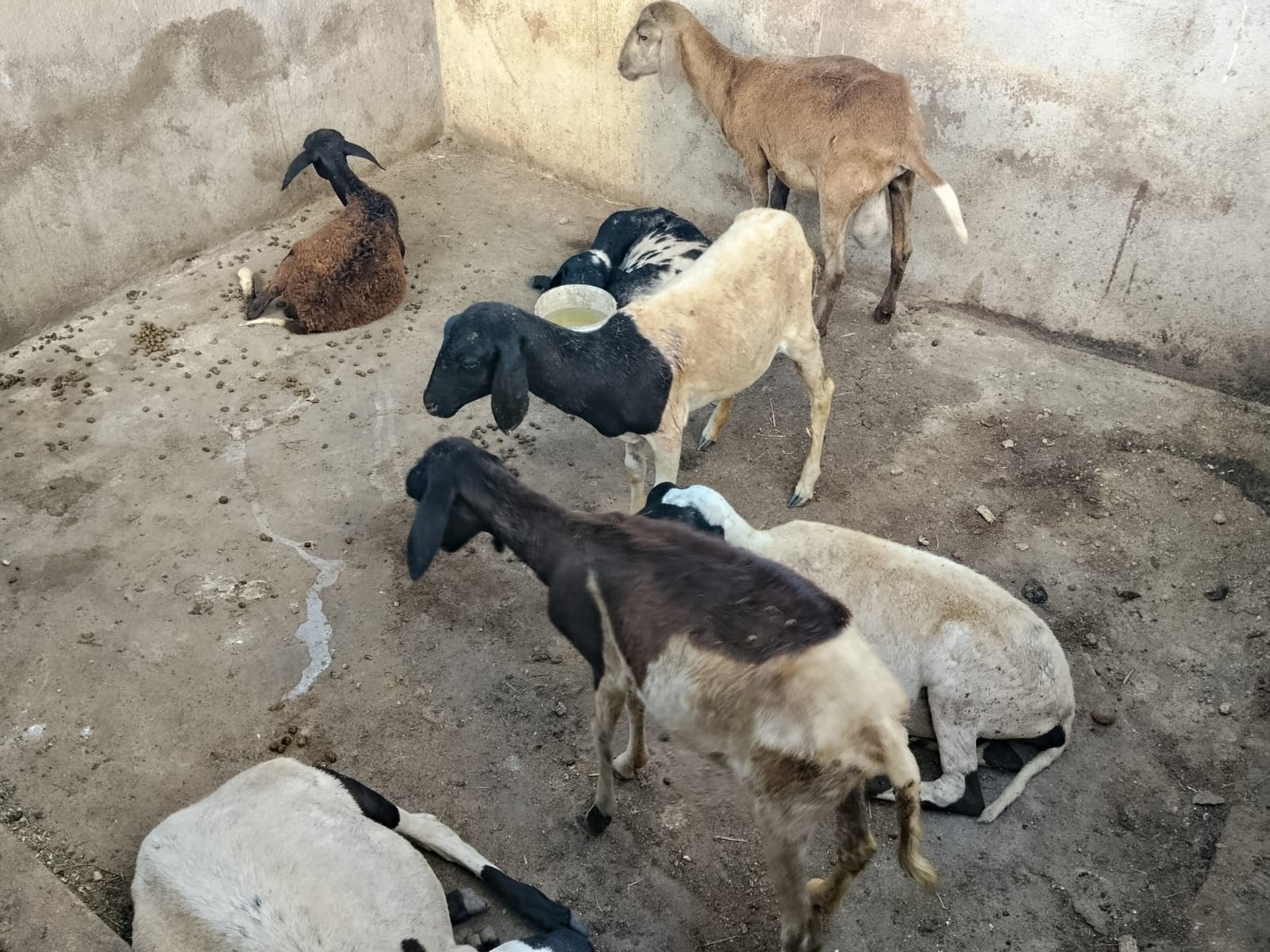
A dog attack in the rural area of Jardim do Seridó, Rio Grande do Norte, resulted in the death of three sheep and injuries to eight others in the early hours of Monday, August 27th. The livestock owner, Damião Fernando, discovered the incident around 6 AM after a resident alerted him to dogs invading the sheep pen, located approximately 200 meters from his home. Of the 14 sheep on the property, three perished, eight were wounded, and three remain missing after fleeing during the assault. Fernando initially estimates his financial loss at R$ 3,000, but this figure could rise to R$ 6,000 if the injured sheep do not survive. He had started raising sheep this year with the goal of building a breeding herd and also raises pigs and poultry. Witnesses reported seeing a group of five to six dogs in the vicinity before the attack. The existing pen, designed to contain sheep, offered no protection against canine intrusion. Fernando plans to invest in a new masonry pen to safeguard his flock at night, incurring additional costs. This is the second such incident in Jardim do Seridó within a month; on July 7th, a similar dog attack led to the death of about 150 chickens, causing an estimated loss of R$ 4,000 to R$ 5,000 for another local farmer. The municipality has been contacted regarding its plans for stray animal control and prevention of future attacks, but no response had been received at the time of reporting.
This incident highlights the persistent challenge of managing stray animal populations and their impact on agricultural producers. The economic losses incurred by Damião Fernando underscore the vulnerability of small-scale farming operations to external threats, necessitating infrastructure investments that may strain limited resources. The recurrence of such attacks within the same municipality points to potential systemic issues in animal control or public awareness regarding responsible pet ownership. Addressing this requires a multi-faceted approach, potentially involving local government initiatives for animal population management and community education programs, to mitigate future economic damage and ensure the safety of livestock. The situation also raises questions about the adequacy of existing rural infrastructure against wildlife and domestic animal incursions, a concern likely to grow with increasing human-animal interface.
AI-generated to prompt reflection — not editorial opinion, not advice, not a statement of fact. How this works.