Dog Attacked by American Bully Dies After 25 Days in Hospital on São Paulo Coast
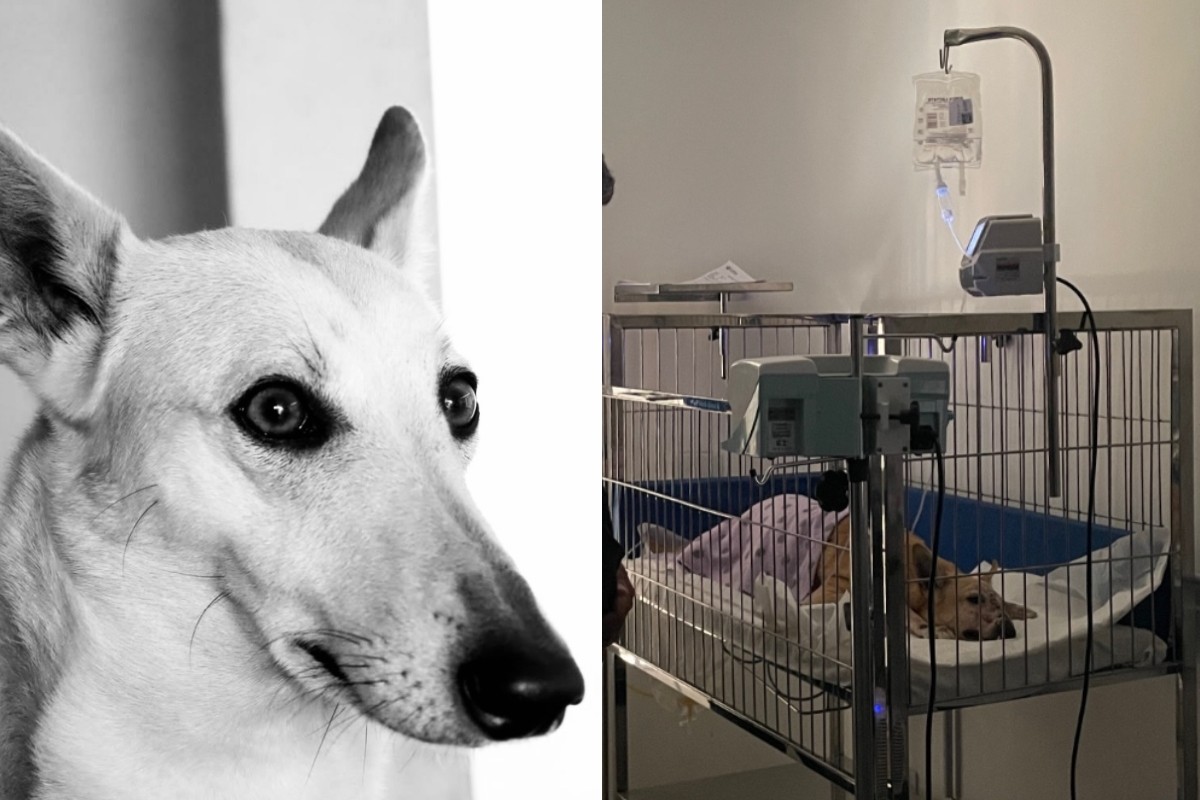
A nine-year-old dog named Jadi, who was attacked by an American Bully in Guarujá, on the coast of São Paulo, has died after a 25-day hospitalization. The attack occurred on June 28 when the American Bully, reportedly without a muzzle, reached Jadi through a gap in her gate while being walked by its owner. Jadi's owner, photographer Andressa do Rosário, stated that the dog's condition worsened during treatment. Monitoring cameras captured the incident. Jadi was taken to a veterinary hospital where she underwent two surgeries to reconstruct fractures in her jaw, maxilla, and other facial bones, having lost teeth during the attack. On Tuesday, July 28, Andressa announced Jadi's passing on social media, expressing hope that the incident would serve as a warning about responsible pet ownership, including the correct use of leashes and muzzles. The owner revealed that Jadi died on Thursday, July 23, after developing a urinary infection and a new facial infection due to improper healing of her muzzle. Despite intensive veterinary care, Jadi's body could no longer respond to treatment, leading to a painful but loving farewell.
This incident highlights the critical importance of responsible pet ownership and adherence to local animal control regulations, particularly concerning breeds known for their strength. The tragic outcome for Jadi underscores the potential dangers when safety protocols like muzzles and secure containment are not consistently applied. Future considerations should involve examining the effectiveness of current regulations in preventing such attacks and exploring enhanced public awareness campaigns. The case also raises questions about the legal and ethical responsibilities of pet owners when their animals cause harm, and the systemic measures needed to ensure public safety in shared community spaces. The long-term recovery and eventual death of the animal emphasize the profound impact of such incidents, prompting reflection on preventative strategies and community well-being.
AI-generated to prompt reflection — not editorial opinion, not advice, not a statement of fact. How this works.