Dog Dies After Rescue in Teresina; Owner Charged with Animal Cruelty
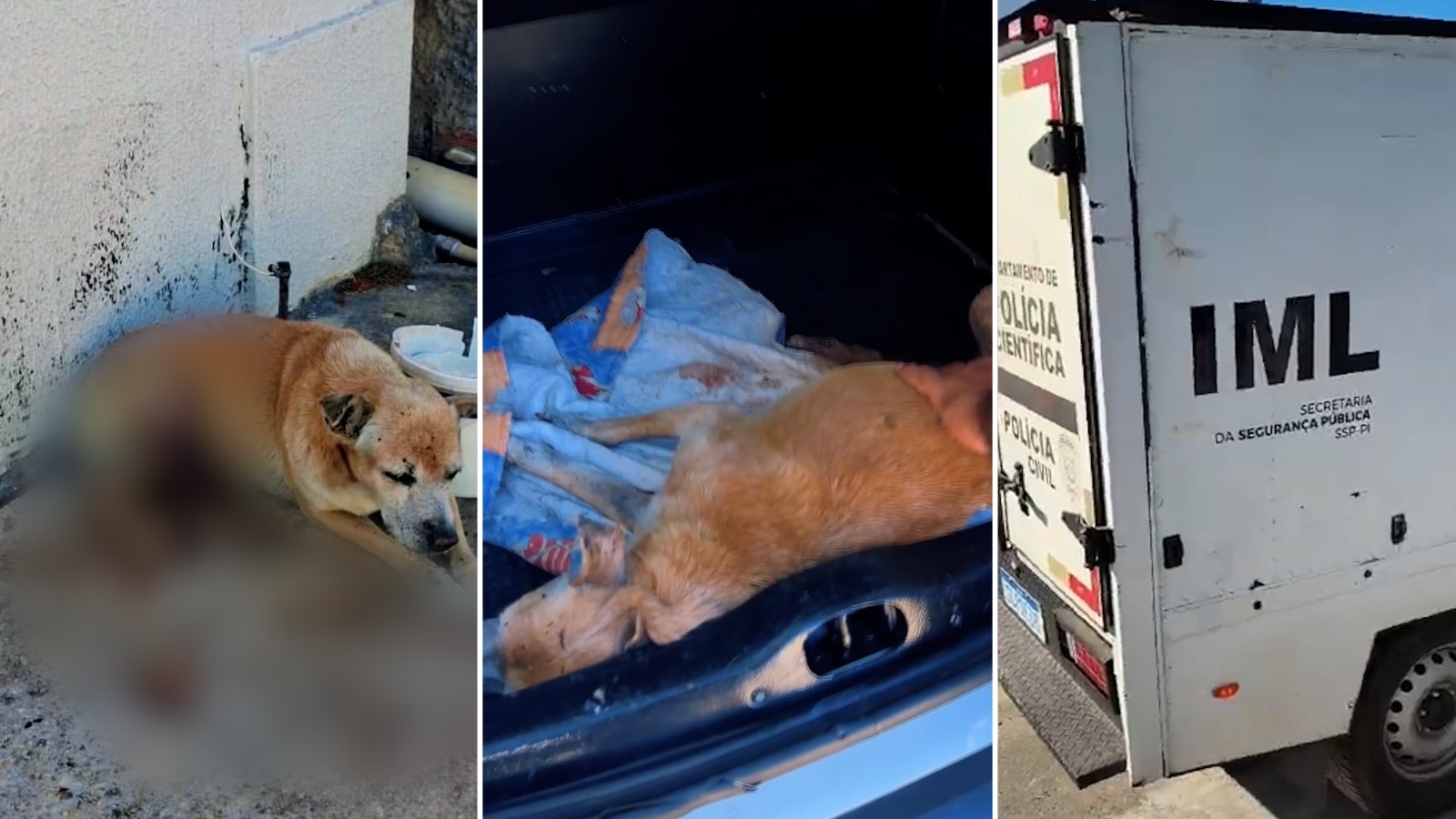
A dog named Aurélio died on Saturday, June 1st, in Teresina, Brazil, following a rescue operation prompted by a complaint of animal mistreatment. Police from the Environmental Police Battalion (BPA) of the Piauí Military Police (PMPI) responded to the report and found the animal in a state of neglect and suffering. According to Matheus Zanatta, superintendent of integrated operations for the Piauí Public Security Secretariat (SSP-PI), the dog was living in a situation of negligence. After being rescued, Aurélio was taken in by animal protector Fernando Machado and rushed to veterinary care. However, the dog did not survive. Machado stated that Aurélio had a growing tumor and was not receiving veterinary attention, which had left him debilitated. The protector also mentioned that the dog was kept outside by its owner and survived by being fed by local residents. The owner allegedly kept the dog outside because the tumor was bleeding and soiling the house, and failed to seek veterinary assistance. The owner has been charged with animal cruelty, which, given the outcome of the dog's death, could result in a prison sentence exceeding six years and a fine.
This incident highlights the critical intersection of animal welfare laws and enforcement, particularly concerning neglect leading to severe health consequences. The owner's failure to provide necessary veterinary care for a visibly ailing animal, compounded by its abandonment outdoors, constitutes a clear breach of responsibility. The legal ramifications, including potential imprisonment, underscore society's increasing intolerance for animal cruelty. Looking ahead, such cases may prompt greater scrutiny of pet ownership responsibilities and the accessibility of affordable veterinary services, especially for conditions like tumors that require timely intervention. The systemic challenge lies in ensuring that legal frameworks translate into effective prevention and intervention, safeguarding animals from preventable suffering.
AI-generated to prompt reflection — not editorial opinion, not advice, not a statement of fact. How this works.