Dog Dies of Suspected Poisoning After Man Leaves Can in Garage in Brazil
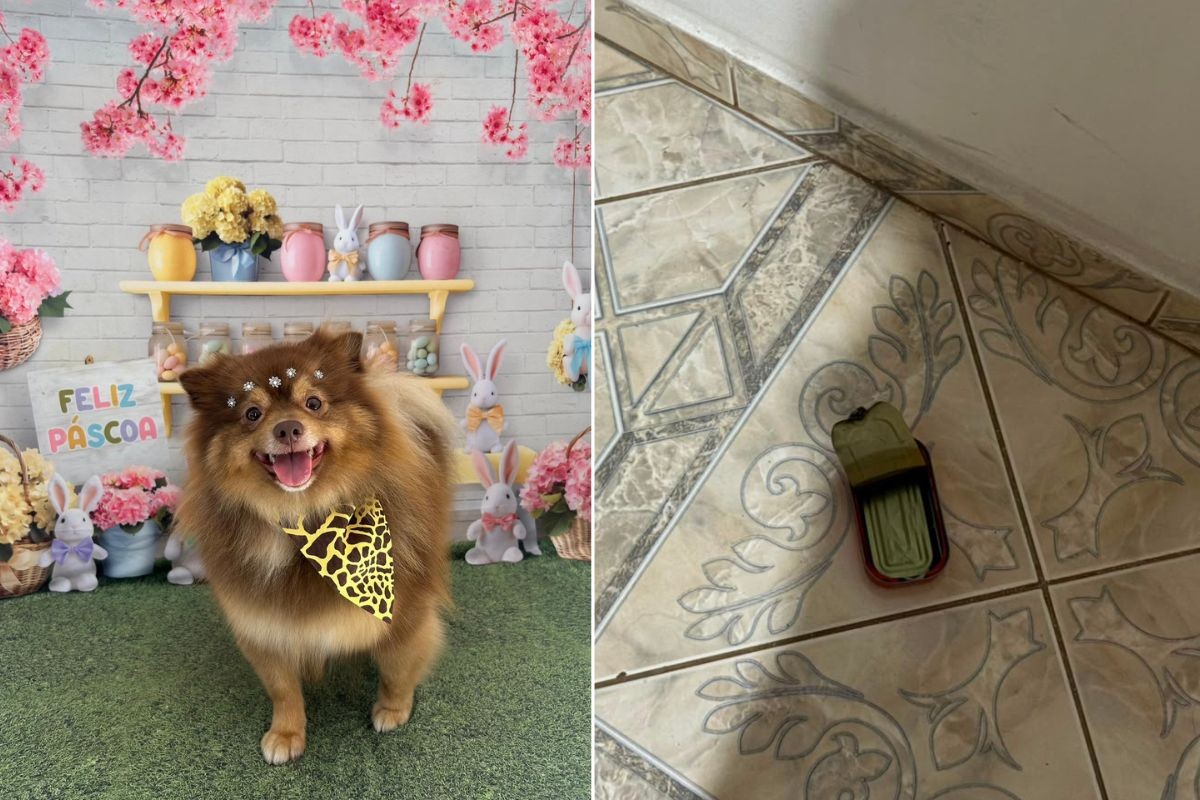
A two-year-old Spitz dog named Amora died from suspected poisoning in Apiaí, São Paulo, Brazil. Security camera footage captured a man leaving a can in the family's garage. Amora's owner, Gabriele Müzel Lima, 23, had left home early on Wednesday, June 22nd. She was alerted by a security camera notification about a person in her garage and immediately contacted the Municipal Civil Guard. Although the suspect was not found, the owner's friend confirmed Amora was initially fine. However, subsequent footage showed the man repeatedly checking the can and even startling the dog. Amora then consumed the entire contents of the can. Upon returning home later that evening, Gabriele discovered vomit throughout the house and the empty can. Amora was found deceased in a bedroom, exhibiting foam around her mouth. The owner identified the suspect as a neighbor who had allegedly threatened her family shortly after she moved into the residence approximately one month prior. Amora had no prior health issues. The case has been registered as animal abuse and is under investigation by the Apiaí Police Department. Amora's body was sent to the city's zoonoses sector.
This incident highlights the critical need for robust animal welfare laws and enforcement mechanisms, particularly in cases of suspected intentional harm. The availability of security footage provides crucial evidence, underscoring the role of technology in deterring and documenting such acts. The alleged prior threats from the neighbor suggest a potential pattern of behavior that warrants thorough investigation beyond the immediate incident. Moving forward, community vigilance and accessible reporting channels for animal cruelty are essential to create a safer environment for pets and prevent future tragedies. The legal framework should also consider the psychological impact on owners and the broader societal implications of animal abuse.
AI-generated to prompt reflection — not editorial opinion, not advice, not a statement of fact. How this works.