DOJ pursued journalists' phone records to find sources for Air Force One report
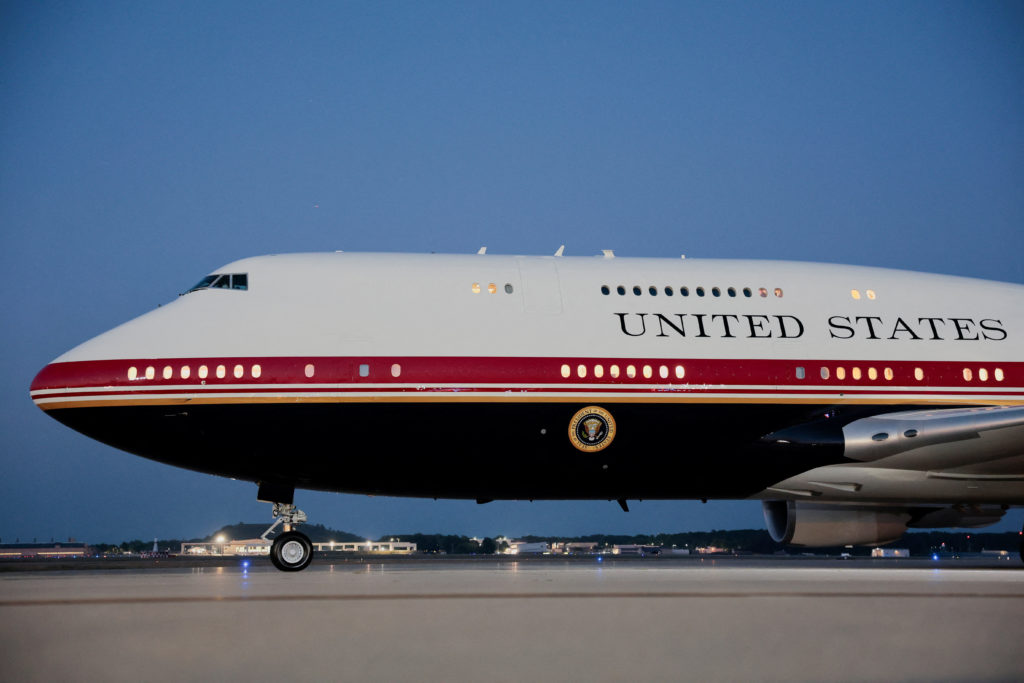
The Trump administration's Department of Justice (DOJ) pursued phone records belonging to New York Times journalists and some of their relatives. This action was taken in an effort to identify the confidential sources behind reporting on a security report concerning President Trump's Air Force One jet. The jet had been a gift from Qatar. The court document indicates the administration's aggressive stance in trying to uncover the origins of the leaked information. This move highlights the tension between government efforts to protect classified information and the press's role in informing the public.
The DOJ's pursuit of journalists' phone records, including those of their relatives, represents a significant exertion of governmental power in the context of leak investigations. Such actions raise critical questions about the balance between national security imperatives and the First Amendment protections afforded to the press. While governments have a legitimate interest in safeguarding sensitive information, the broad sweep of these investigations can chill journalistic activity and deter whistleblowers from coming forward. Future administrations will need to navigate this complex terrain, potentially through clearer guidelines or legislative reforms, to ensure that the public's right to know is not unduly compromised by the pursuit of source confidentiality.
AI-generated to prompt reflection — not editorial opinion, not advice, not a statement of fact. How this works.