DOJ Refuses to Release More Epstein Files, Citing Appropriateness of Redactions
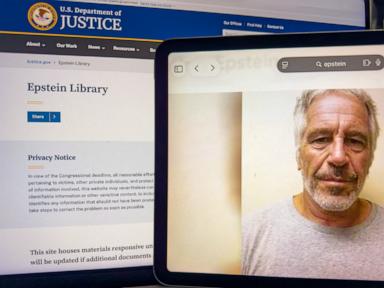
The Department of Justice (DOJ) has declined to provide additional files related to the Jeffrey Epstein case, asserting that its previous redactions were appropriate. This decision follows a directive from a federal judge last week. The judge had ordered the DOJ to either release further documents or offer a justification for withholding them. The department's response indicates a stance of finality regarding the disclosure of these specific records. The ongoing legal proceedings have focused on the extent of information that should be made public concerning Epstein's associates and activities. The DOJ's refusal suggests a belief that the current level of disclosure meets legal requirements and privacy considerations. This development marks a significant point in the public's effort to access more information about the high-profile case.
The Department of Justice's decision to withhold further Epstein files, despite a judicial order, highlights the inherent tension between transparency and the protection of sensitive information or ongoing investigations. This situation prompts reflection on the criteria used for redaction and the balance between public interest in high-profile cases and the government's discretion in managing classified or investigatory data. Future considerations may involve clearer legislative guidelines on document disclosure in such sensitive matters to ensure consistent application of justice and public trust, particularly as digital information management becomes increasingly complex.
AI-generated to prompt reflection — not editorial opinion, not advice, not a statement of fact. How this works.