DOJ Warns State Officials of Criminal Penalties for Noncitizen Voting Failures
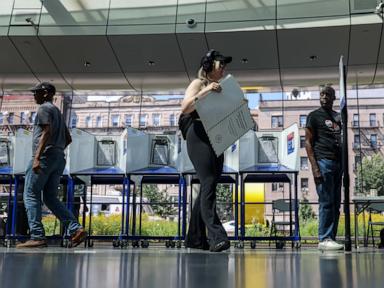
The U.S. Department of Justice (DOJ) has issued a stern warning to state election officials regarding the consequences of failing to prevent noncitizens from voting. Assistant Attorney General for the Civil Rights Division, Kristen Clarke, communicated this alert, emphasizing the potential for criminal penalties. This directive underscores the federal government's stance on maintaining the integrity of the electoral process by ensuring that only eligible citizens cast ballots. The warning serves as a clear communication of the legal ramifications that state officials may face if their systems are found to be inadequate in preventing noncitizen participation in elections. It highlights the DOJ's commitment to enforcing federal election laws and upholding the principle of citizen suffrage. The communication aims to prompt states to review and strengthen their existing procedures for voter registration and verification to prevent any potential violations.
This DOJ directive highlights the federal government's focus on electoral integrity and the enforcement of existing laws concerning noncitizen voting. By explicitly mentioning potential criminal penalties, the department signals a more assertive approach to ensuring compliance across states. This action can be viewed through the lens of federalism, where the DOJ seeks to ensure uniform application of election laws, potentially creating tension with state-level autonomy in election administration. The underlying incentive for states is to bolster their voter verification processes to avoid federal legal scrutiny and potential prosecution, which could involve significant resources and reputational damage. Looking ahead, this may accelerate the adoption of more robust identity verification technologies and data-sharing agreements between states and federal agencies to prevent ineligible individuals from participating in elections, aligning with broader trends towards digital governance and enhanced security in public systems.
AI-generated to prompt reflection — not editorial opinion, not advice, not a statement of fact. How this works.