Dollar Rises Amid Inflation Concerns and Geopolitical Tensions
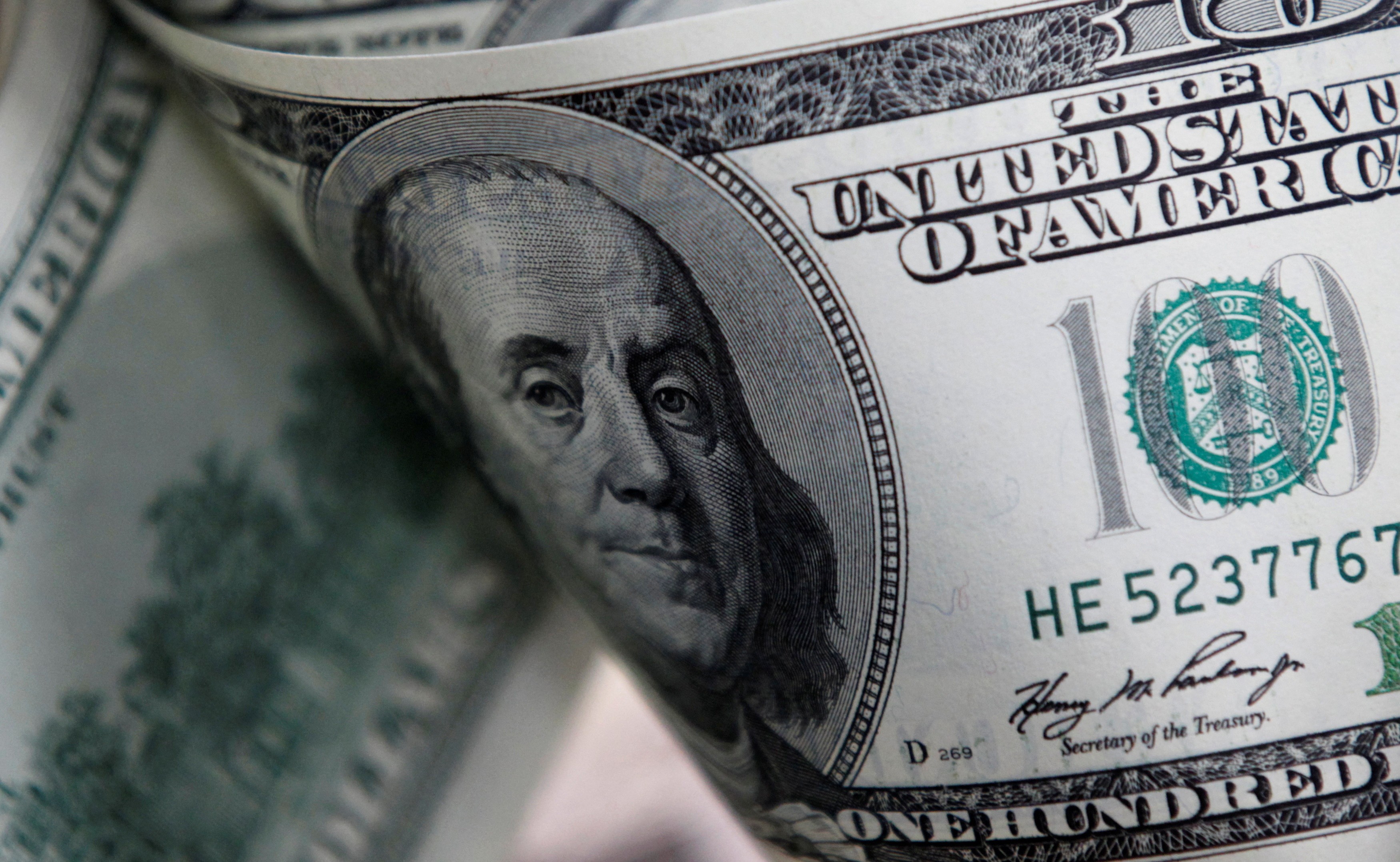
The U.S. dollar opened Tuesday, July 7th, with a slight increase of 0.14%, trading at R$ 5.1391. This movement occurs as investors closely monitor inflation data and interest rate policies. The Brazilian stock market's main index, the Ibovespa, was set to begin trading later in the morning. In the absence of major domestic economic news, global events are driving market sentiment. Investors are particularly focused on the escalating tensions between the United States and Iran, following missile attacks on two commercial ships and a tanker in the Strait of Hormuz, an area crucial for global oil transport. These incidents raise concerns about potential disruptions to oil traffic and renewed conflict. The North Atlantic Treaty Organization (NATO) meeting in Ankara, Turkey, also draws attention, especially concerning discussions about the alliance's strategy and Ukraine's requests for support against Russia. Furthermore, the implications of U.S. tariffs imposed on Brazil continue to be analyzed, with major companies expressing concerns about negative impacts on competitiveness and supply chains. The market also awaits the minutes from the Federal Reserve's last interest rate meeting, expected to provide insights into future U.S. monetary policy under new leadership. Domestically, attention is on Brazil's June inflation data (IPCA), anticipated to show a slowdown, largely due to easing food prices.
The dollar's upward movement reflects a common market reaction to geopolitical instability and anticipated interest rate adjustments. The attacks in the Strait of Hormuz, a critical chokepoint for global oil supply, introduce supply-side risk premiums that can bolster the dollar as a safe-haven asset. Simultaneously, the anticipation of the U.S. Federal Reserve's meeting minutes suggests markets are seeking clarity on future monetary policy, potentially influencing currency valuations. The interplay between these global factors and Brazil's domestic economic indicators, such as inflation and interest rates, creates a complex environment for currency traders and policymakers. Understanding these dynamics is crucial for navigating potential volatility and assessing long-term economic trends.
AI-generated to prompt reflection — not editorial opinion, not advice, not a statement of fact. How this works.