Dollar Rises as Markets Await US Trade Tariffs and Economic Data
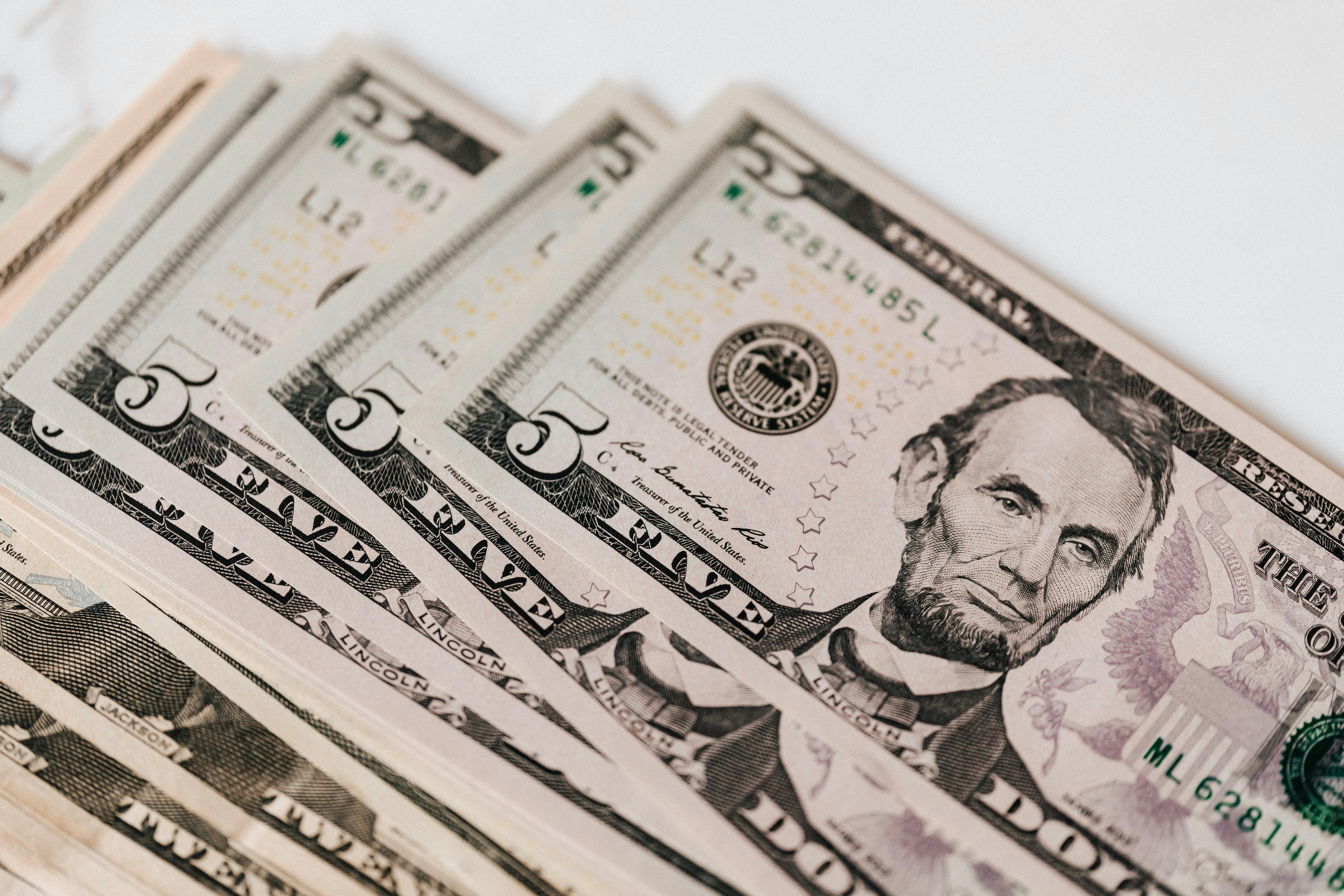
The US dollar opened higher on Monday, June 6th, trading at R$ 5.1819, a 0.27% increase. Investors are closely monitoring a public hearing in the United States concerning potential tariffs on Brazilian products, a measure being considered under Section 301 of US trade legislation. Various companies, associations, and governments are expected to present their arguments during this crucial stage before a final decision by the US government. This week's economic calendar includes the release of the minutes from the Federal Reserve's last interest rate meeting, which may offer insights into future US monetary policy under the new central banker. In Brazil, attention will be on the June inflation data (IPCA), anticipated to show a slowdown primarily driven by falling food prices. The dollar has seen a slight weekly gain of 0.02% and a monthly gain of 0.10%, but remains down 5.84% year-to-date. Meanwhile, the Ibovespa index is up 0.45% for the week and 1.19% for the month, with a year-to-date increase of 8.03%. Brazilian industry and agribusiness representatives will participate in the US hearings, arguing that proposed 25% tariffs would harm both Brazilian exporters and US businesses and consumers. Global markets showed mixed results, with Asian markets closing unevenly as investors remained cautious about technology sector returns and AI investments. Shanghai's CSI 300 was stable, the SSEC lost 0.06%, Japan's Nikkei fell 0.01%, South Korea's Kospi declined 0.46%, and Hong Kong's Hang Seng rose 1.14%.
The interplay between potential US trade tariffs on Brazilian goods and the release of key economic data from both nations creates significant market uncertainty. Investors are weighing the direct impact of tariffs on trade flows and supply chains against broader macroeconomic trends, such as inflation and interest rate policies. The US government's decision-making process, influenced by public hearings and lobbying efforts, highlights the complex dynamics of international trade negotiations. This situation underscores the vulnerability of emerging market economies to protectionist measures and the importance of diversified economic strategies. Looking ahead, the resolution of these trade disputes and the trajectory of global monetary policy will likely shape market sentiment and investment decisions for the remainder of the year and beyond.
AI-generated to prompt reflection — not editorial opinion, not advice, not a statement of fact. How this works.