Don't Ignore Unusual Lumps: Understanding Sarcoma Risks
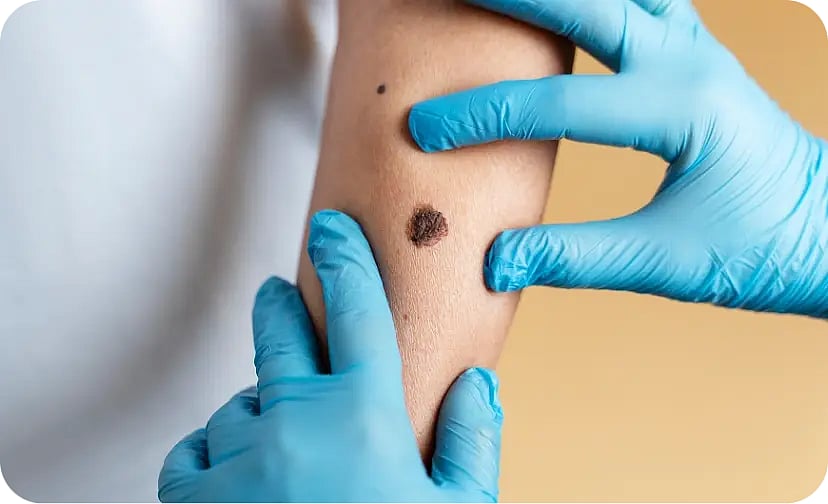
Sarcoma, a rare type of cancer, can develop in various parts of the body, including the limbs, abdomen, chest, or anywhere else. While uncommon, delayed diagnosis significantly complicates treatment. Early detection is crucial for managing this disease effectively. Sarcomas arise from connective tissues such as bone, muscle, fat, blood vessels, and cartilage. Their diverse locations mean symptoms can vary widely, often leading to misdiagnosis or delayed recognition. This can include a noticeable lump or swelling, pain if the tumor presses on nerves or organs, or even unexplained weight loss in some cases. The complexity of sarcoma treatment stems from its varied subtypes and potential for metastasis. Prompt medical attention for any persistent or unusual lump is therefore strongly advised to improve patient outcomes.
The emergence of unusual lumps necessitates prompt medical evaluation to rule out conditions like sarcoma. While rare, the potential for complex treatment due to delayed diagnosis highlights a systemic challenge in public health awareness and early screening protocols. Focusing on patient education and accessible diagnostic pathways can mitigate risks associated with late-stage detection. Considering the long-term implications, fostering a proactive healthcare approach will be key to improving outcomes for rare diseases in the coming decade.
AI-generated to prompt reflection — not editorial opinion, not advice, not a statement of fact. How this works.