Donald Trump Criticizes England's Tactics After World Cup Semifinal Loss
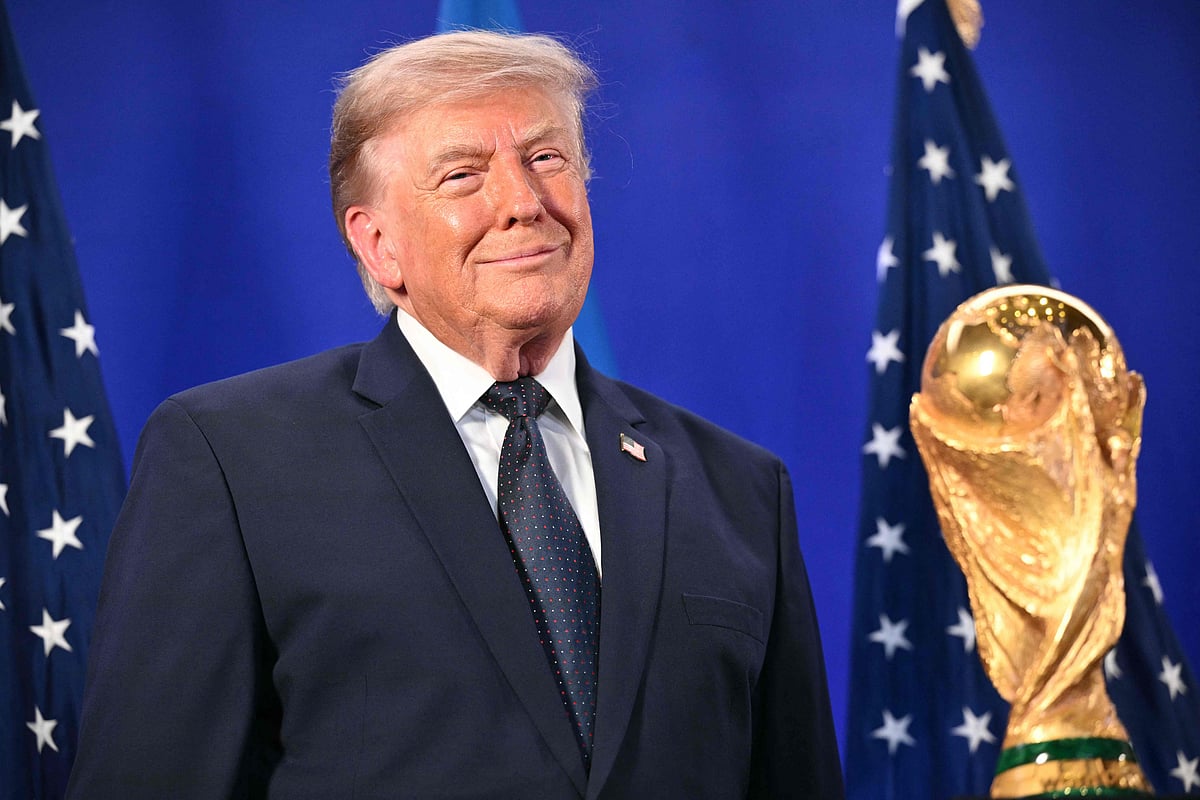
Following England's elimination from the World Cup semifinals by Argentina, former U.S. President Donald Trump has publicly criticized the team's on-field strategy. Trump, who has recently taken on a role as a football 'analyst,' specifically took aim at manager Thomas Tuchel's decisions during the crucial match. The English team's performance and tactical approach under Tuchel's guidance became the subject of Trump's commentary after their defeat. The loss to Argentina in the semifinal stage marked the end of England's World Cup campaign. Trump's intervention highlights his engagement with international sports, albeit from a critical perspective. His remarks suggest a keen interest in football, extending beyond his political career. The specific details of his criticism regarding Tuchel's tactics were not elaborated upon in the report. This event underscores the intersection of politics and sports, with prominent figures commenting on major sporting outcomes.
The commentary by Donald Trump on England's World Cup strategy introduces an external political perspective into sports analysis. From a systems perspective, such interventions can influence public discourse and potentially create pressure on coaching staff and players, irrespective of their tactical merit. The dynamic highlights how global platforms can amplify non-expert opinions, potentially impacting team morale and fan perception. In the context of evolving sports governance and media landscapes, the increasing visibility of political figures commenting on athletic performance warrants examination of the boundaries between sports commentary and political influence, particularly as AI-driven analytics become more prevalent in sports strategy.
AI-generated to prompt reflection — not editorial opinion, not advice, not a statement of fact. How this works.