Doraemon's Bamboo-Copter: A Centuries-Old Chinese Invention Inspiring Modern Flight
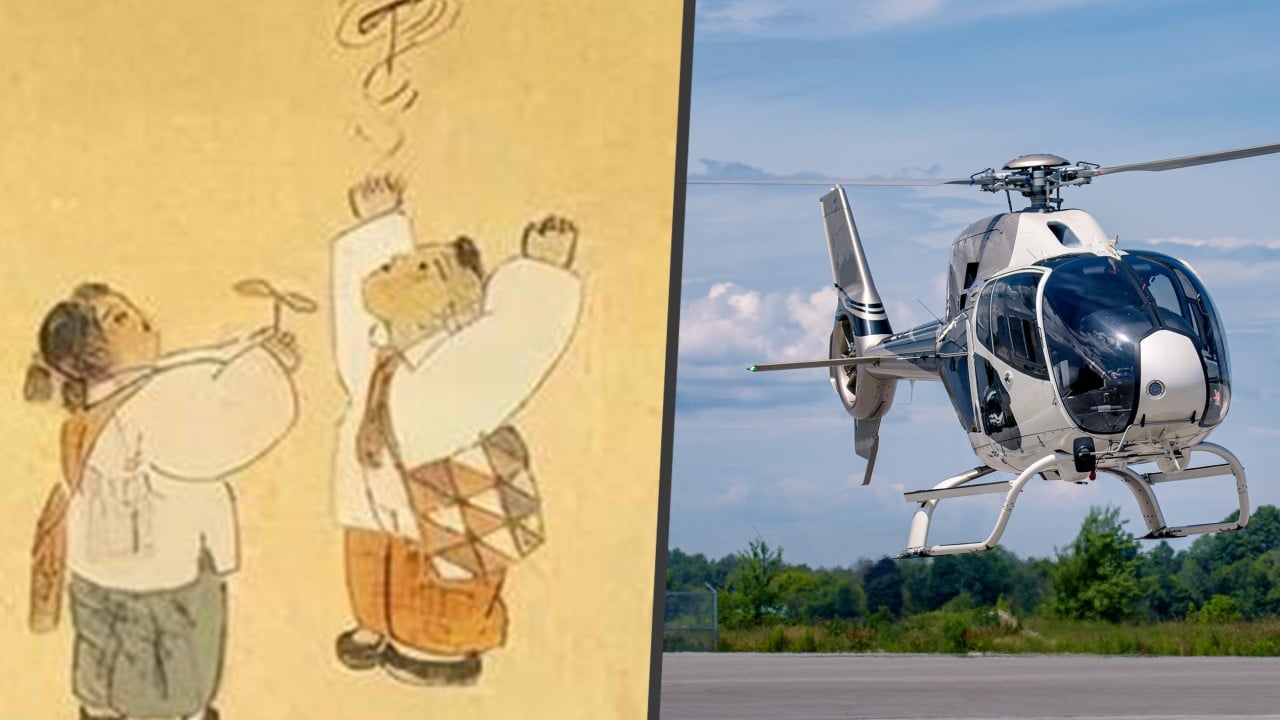
The 'bamboo-copter,' a popular gadget from the Japanese cartoon series Doraemon, which allows characters to fly, has roots in an invention originating from China over a thousand years ago. This futuristic device, used by the robot cat Doraemon to help the boy Nobita Nobi, first appeared in the manga. The concept of the bamboo-copter is directly inspired by ancient Chinese ingenuity. This early flying mechanism predates modern helicopters by centuries. The cartoon's depiction of the bamboo-copter has made it a widely recognized symbol of convenient personal flight. Its enduring popularity highlights a fascination with flight and innovative technology. The connection between this fictional device and its historical inspiration underscores the long-standing human aspiration for aerial mobility. The bamboo-copter serves as a whimsical yet significant link between ancient Chinese invention and modern technological dreams.
The enduring appeal of the bamboo-copter, as depicted in popular culture, highlights humanity's persistent fascination with personal flight, a dream now being realized through advancements in drone technology and vertical takeoff and landing (VTOL) aircraft. The narrative's connection to ancient Chinese invention, specifically the bamboo-copter's historical precursor, serves as a reminder that many foundational principles of modern technology have deep historical roots. This juxtaposition invites reflection on how cultural narratives and historical innovations can inspire future technological development, bridging the gap between past ingenuity and the AI-driven possibilities of the next decade. Understanding these historical inspirations can foster a more holistic approach to technological progress, recognizing that innovation often builds upon centuries of human curiosity and experimentation.
AI-generated to prompt reflection — not editorial opinion, not advice, not a statement of fact. How this works.