Dork Dancing Becomes Popular Trend Among Foreigners in Da Nang
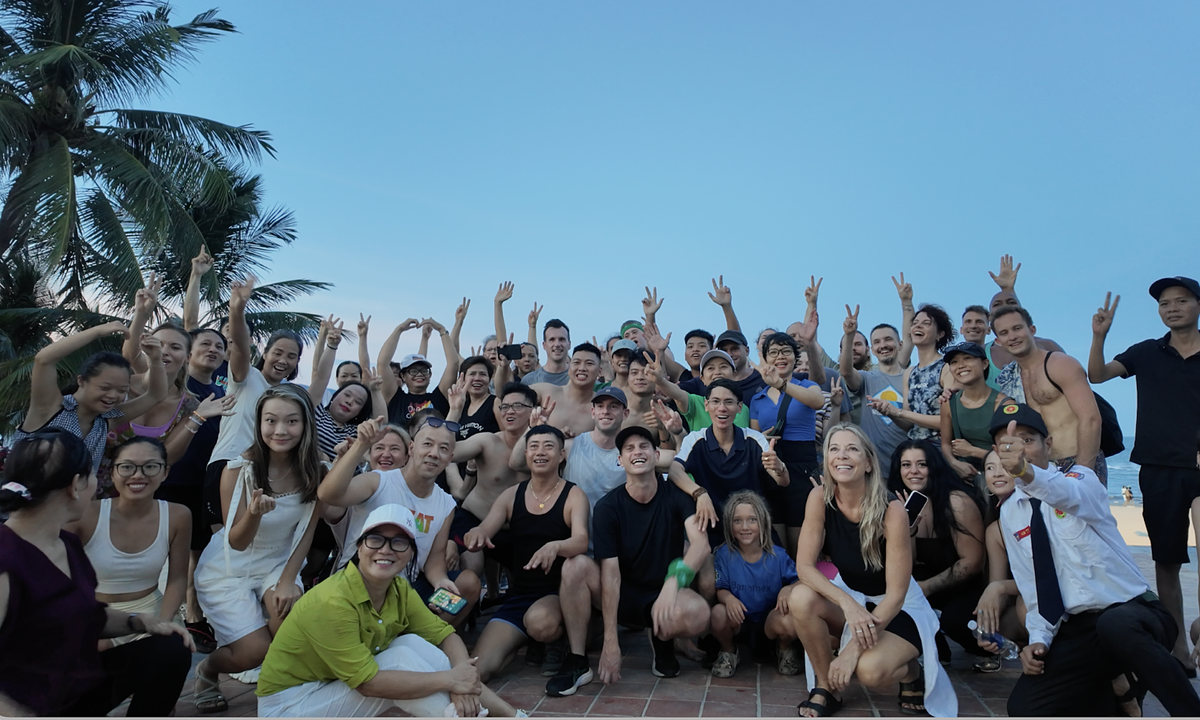
A 31-year-old woman named Roshni Ward has extended her stay in Da Nang, Vietnam, by an additional month. Ward attributes this decision to her inability to break a daily habit of participating in 'dork dancing' on the beach with local residents. This activity has emerged as a new and popular trend among foreigners visiting or residing in Da Nang. The practice involves spontaneous, often uninhibited dancing, which has attracted a growing number of international participants. Ward's experience highlights the appeal of this unique cultural exchange and recreational activity. The trend suggests a desire among visitors for authentic, community-based experiences. Da Nang's beaches have become a focal point for this emerging social phenomenon.
The emergence of 'dork dancing' as a trend in Da Nang illustrates a growing global phenomenon of individuals seeking authentic, unscripted cultural experiences and community connection. This trend reflects a shift in leisure preferences, moving away from curated tourist activities towards more organic, participatory forms of engagement. From a systemic perspective, such grassroots cultural movements can foster positive cross-cultural understanding and local economic benefits through increased tourist engagement. However, it also presents potential challenges for local governance regarding public space management and the integration of spontaneous social activities. Over the next decade, as digital connectivity continues to blur geographical boundaries, we may see more such informal, community-driven trends emerge, driven by a desire for genuine human interaction in an increasingly digitized world.
AI-generated to prompt reflection — not editorial opinion, not advice, not a statement of fact. How this works.