Douala Airport Modernization: Phase 1 Launched, Aiming to Boost Capacity and Efficiency
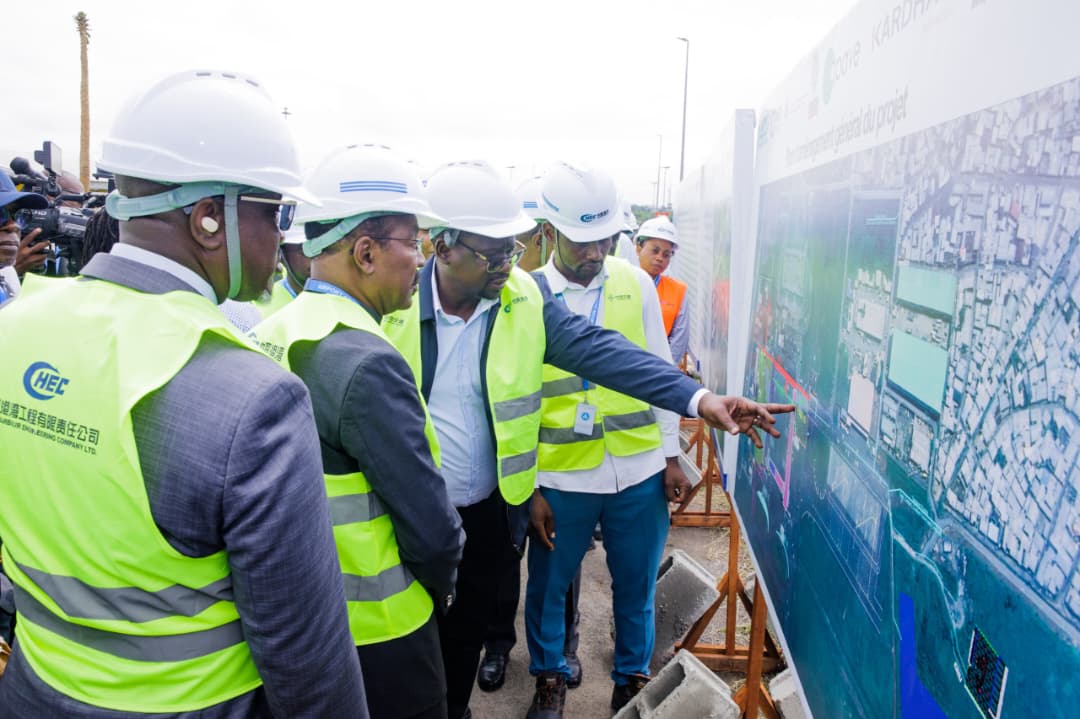
The first phase of modernization work at Cameroon's Douala International Airport has officially commenced, with a site visit by the board of Directors of Aéroports du Cameroun (ADC) and partners on July 8th. This initial phase, costing 10.45 billion FCFA, is being executed by China Harbour Engineering Company (CHEC) and began on June 15, 2026, with an anticipated completion within twelve months. The project is a direct response to the increasing air traffic and evolving operational demands from airlines, focusing on upgrading airside infrastructure to enhance aircraft movement, improve ground safety, and optimize the airport's overall performance. Since its opening on June 27, 1977, Douala Airport has handled over 17,500 aircraft movements, including 15,445 commercial flights, and served 1,122,197 passengers, connecting to 112 cities across 21 countries via 18 regular airlines. The modernization efforts include expanding circulation areas, developing new aeronautical surfaces, technically upgrading existing facilities, and installing necessary equipment and lighting. These improvements are expected to increase aircraft capacity, reduce operational constraints, and prepare for future development stages. Airlines will benefit from better parking availability and reduced turnaround times, while passengers will indirectly experience less congestion and improved service quality. The airport aims to bolster its operational capabilities, competitiveness, and regional attractiveness. This initiative is the first part of a larger passenger terminal renovation program supported by the Agence française de développement, which includes modernizing the terminal, increasing capacity, optimizing passenger flow, and enhancing safety and security to meet international standards.
The launch of Douala Airport's Phase 1 modernization addresses a critical need to align infrastructure with escalating air traffic and operational standards. This investment in airside facilities, particularly focusing on aircraft movement and ground safety, is a pragmatic step toward enhancing efficiency and competitiveness. By improving capacity and reducing turnaround times, the project aims to create a more attractive hub for airlines and a smoother experience for passengers. Looking ahead, the success of this phase will be a key indicator for the viability of subsequent modernization stages, potentially influencing regional aviation dynamics and economic connectivity. The project's reliance on international partnerships and funding highlights the interconnected nature of global infrastructure development and the strategic importance of such upgrades in the evolving aviation landscape.
AI-generated to prompt reflection — not editorial opinion, not advice, not a statement of fact. How this works.