Douala City Hall Cracks Down on Noise Pollution
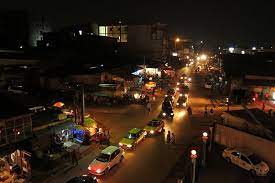
The Douala Urban Community is intensifying efforts to reduce excessive noise pollution in Cameroon's economic capital, responding to a rise in complaints from residents near entertainment venues. For weeks, municipal teams have been patrolling neighborhoods, targeting bars, drinking establishments, and similar venues that frequently play music at high volumes late into the night. These operations aim to both educate and penalize offenders. Notably, five establishments along the central median in the Makepe neighborhood, identified as sources of noise disturbances, have been summoned to the city hall to address their regulatory obligations. Control teams have also apprehended operators in the Logbessou district, with two repeat offenders facing administrative sanctions. This campaign enforces Cameroon's legal framework for operating drinking establishments and protecting public health and the environment from nuisances. A 1990 decree stipulates operating hours, with takeaway spots closing at 9 PM and on-site venues at midnight until 6 AM, unless administrative derogations are granted. The law also mandates a minimum 200-meter distance between drinking establishments and sensitive locations like schools, hospitals, and churches. Furthermore, a 1996 environmental law prohibits noise emissions that harm human health, cause excessive disturbance, or damage the environment, requiring those responsible to mitigate such emissions. The city hall's initiative seeks to address the pressures stemming from population growth and increased economic activity.
The Douala Urban Community's campaign against noise pollution highlights a common urban challenge: balancing economic activity and public well-being. As cities grow and entertainment sectors expand, the strain on infrastructure and resident quality of life intensifies. This initiative reflects a governance response to citizen grievances, seeking to enforce existing regulations on operating hours and proximity to sensitive areas. The long-term effectiveness will likely depend on consistent enforcement, clear communication of standards, and potentially, a review of urban planning to better integrate commercial and residential zones. Future urban development strategies may need to proactively incorporate noise mitigation measures and consider the cumulative impact of economic growth on public health and environmental quality.
AI-generated to prompt reflection — not editorial opinion, not advice, not a statement of fact. How this works.