Douala Identifies 31 Buildings at Risk of Collapse, Authorities Announce Measures
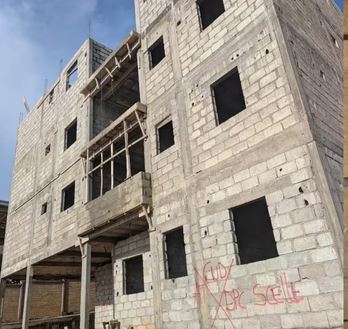
Douala, Cameroon, has identified 31 buildings exhibiting structural weaknesses, posing a significant risk to public safety. Of these, 19 are classified as an imminent danger, while the remaining 12 present an ordinary risk. These structural issues stem from various factors, including non-compliance with urban planning and construction standards, unauthorized construction work, the use of inadequate materials, and the uncontrolled modification of existing structures. Prolonged abandonment of some buildings has also contributed to their deterioration. The identification was conducted by the Douala Urban Community services as part of their urban risk prevention policy. Mayor Roger Mbassa Ndine emphasized that all construction, extension, and renovation projects must adhere to applicable laws and regulations. He also stressed the necessity of technical expertise from qualified professionals for any consolidation or reinforcement work on fragile structures. In response, the mayor outlined a series of measures for the identified buildings, tailored to their specific risk levels. These include technical assessments, notifications to owners and occupants, implementation of safety and reinforcement prescriptions, immediate evacuation of buildings with imminent danger, sealing of premises, and potential demolition of irreparable structures or those whose owners fail to comply with administrative directives within specified timelines. The mayor urged real estate developers to comply with administrative requirements and encouraged residents to report any buildings showing signs of degradation, such as cracks or abnormal settling, especially following recent building collapses in the city that resulted in fatalities.
The identification of 31 at-risk buildings in Douala highlights a critical urban governance challenge, particularly in rapidly developing cities. The stated causes—non-compliance with regulations, unauthorized work, and poor material use—point to systemic enforcement gaps and potentially insufficient oversight in the construction sector. The recent fatalities from building collapses underscore the urgent need for robust regulatory frameworks and their diligent application, rather than reactive measures. Moving forward, Douala's authorities face the dual imperative of ensuring immediate public safety through strict enforcement and developing long-term strategies for urban resilience. This includes fostering a culture of compliance among developers and property owners, potentially through incentives and stricter penalties, and investing in infrastructure maintenance and monitoring systems to prevent future crises in the context of increasing urbanization and climate-related stresses.
AI-generated to prompt reflection — not editorial opinion, not advice, not a statement of fact. How this works.
