Douala Mayor Warns of Flood Risks, Urges Citizen Action
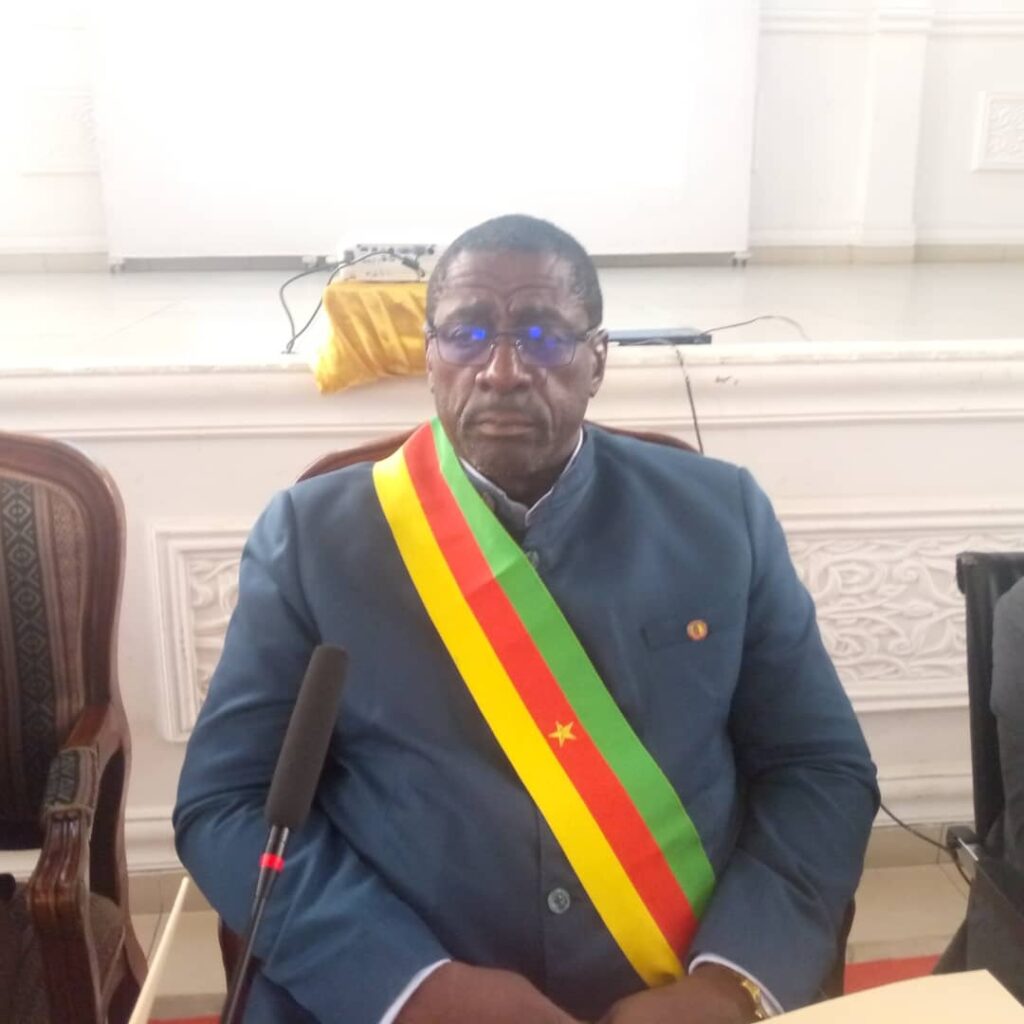
Douala Mayor Roger Mabssa Ndine has issued a warning to residents about the significant flood risks expected during Cameroon's main rainy season, from June to August 2026. The urban community of Douala has activated its alert system to inform the public about potential dangers, including overflowing waters and runoff that could cause substantial damage. Residents are urged to exercise vigilance, limit non-essential travel during heavy rainfall, and avoid crossing flooded areas. The mayor also advised people to stay away from high-risk zones and prioritize the safety of children, the elderly, and other vulnerable individuals. To amplify the awareness campaign, Mayor Ndine is mobilizing opinion leaders, traditional chiefs, community leaders, and local associations. These figures will help disseminate safety messages and encourage citizen-led cleaning and maintenance efforts around homes and neighborhoods. Their activities will complement ongoing municipal operations focused on cleaning drains, clearing sewage systems, and unblocking water outlets. The National Observatory on Climate Change's forecast for the second decade of July indicates Douala is susceptible to thunderstorms, torrential rain, and prolonged downpours, exacerbating existing drainage issues. These conditions can lead to flooding and landslides. Tragically, two buildings recently collapsed in the city, resulting in at least seven fatalities.
The mayor's proactive communication strategy highlights the growing vulnerability of urban centers like Douala to climate-induced extreme weather events, such as intense rainfall and flooding. This situation underscores a broader systemic challenge: the increasing strain on urban infrastructure and disaster preparedness in rapidly developing regions facing climate change. The mobilization of community leaders and citizens for maintenance tasks points to a recognition that municipal resources alone are insufficient, necessitating a collaborative approach. However, the reliance on citizen action for essential infrastructure maintenance, while potentially effective in the short term, raises questions about long-term sustainability and equitable resource distribution. Future urban planning must integrate climate resilience, robust infrastructure investment, and effective governance to mitigate these recurring risks and ensure the safety and well-being of all residents.
AI-generated to prompt reflection — not editorial opinion, not advice, not a statement of fact. How this works.