Édouard Philippe Faces Tough Choices on Reforms, Analyst Says
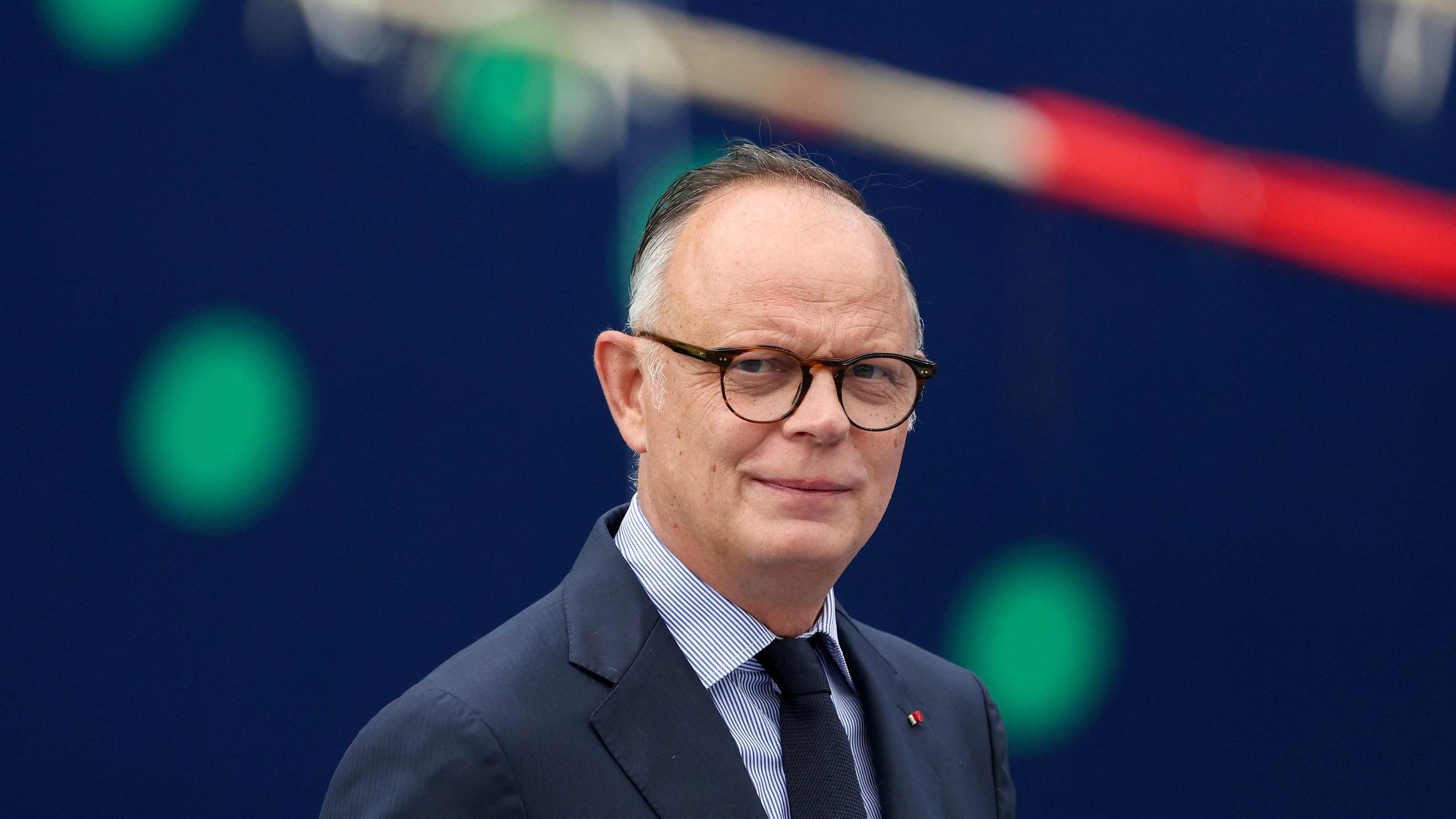
Édouard Philippe, a prominent political figure, has been labeled the 'candidate of blood and tears' after a single mention of raising the retirement age to 67. This label, however, is seen as a trap, potentially misrepresenting his stance or the broader context of necessary reforms. The analyst suggests that Philippe must confront and own the difficult decisions associated with such policy changes, rather than attempting to conceal them. The implication is that political leadership often involves making unpopular choices for the perceived greater good, and attempting to avoid this responsibility can be detrimental. The narrative surrounding Philippe highlights a common challenge in politics: how to communicate and implement potentially painful but necessary reforms without alienating the public or becoming a target for political attacks. The focus should be on the substance of the reforms and their long-term implications, rather than solely on the immediate emotional reactions they provoke.
The political framing of Édouard Philippe's comments on retirement age reveals a tension between necessary fiscal adjustments and public perception. Labeling a politician with terms like 'blood and tears' can serve to polarize debate and obscure the underlying economic or demographic drivers necessitating policy changes. A more productive approach involves transparently discussing the trade-offs inherent in pension reforms, such as intergenerational equity, long-term solvency, and the evolving nature of work. Future policy discussions will likely need to balance the immediate political costs of reform with the long-term sustainability of social welfare systems in an era of demographic shifts and technological advancement.
AI-generated to prompt reflection — not editorial opinion, not advice, not a statement of fact. How this works.