Double Impact: Children With Strabismus Face Vision Loss and Self-Esteem Issues
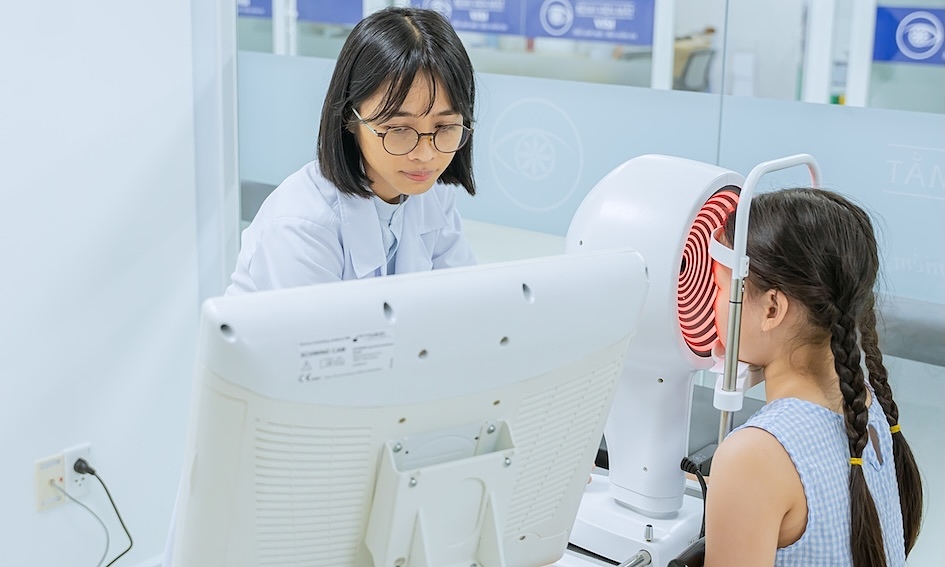
Children diagnosed with strabismus, commonly known as crossed eyes, are at a significant risk of developing amblyopia, or lazy eye. This condition can lead to permanent vision impairment if not treated effectively. Beyond the physical implications, strabismus can also profoundly impact a child's psychological well-being and social integration. The visual misalignment can cause self-consciousness and lead to feelings of inadequacy, potentially affecting their confidence and interactions with peers. Early detection and intervention are crucial to mitigate these dual risks, ensuring both healthy visual development and emotional resilience.
Strabismus in children presents a dual challenge, encompassing both physiological and psychological health. The risk of amblyopia highlights the critical need for accessible and timely pediatric eye care, underscoring systemic gaps in early detection and treatment infrastructure. The psychological impact, including potential self-esteem issues, points to the broader societal need to foster inclusive environments that address the holistic development of children facing visible differences. Future advancements in AI-driven diagnostic tools and personalized treatment plans could offer more efficient interventions, potentially reducing long-term visual and emotional burdens.
AI-generated to prompt reflection — not editorial opinion, not advice, not a statement of fact. How this works.