Dowry System Fuels Rise in Feminicide in India, Study Finds
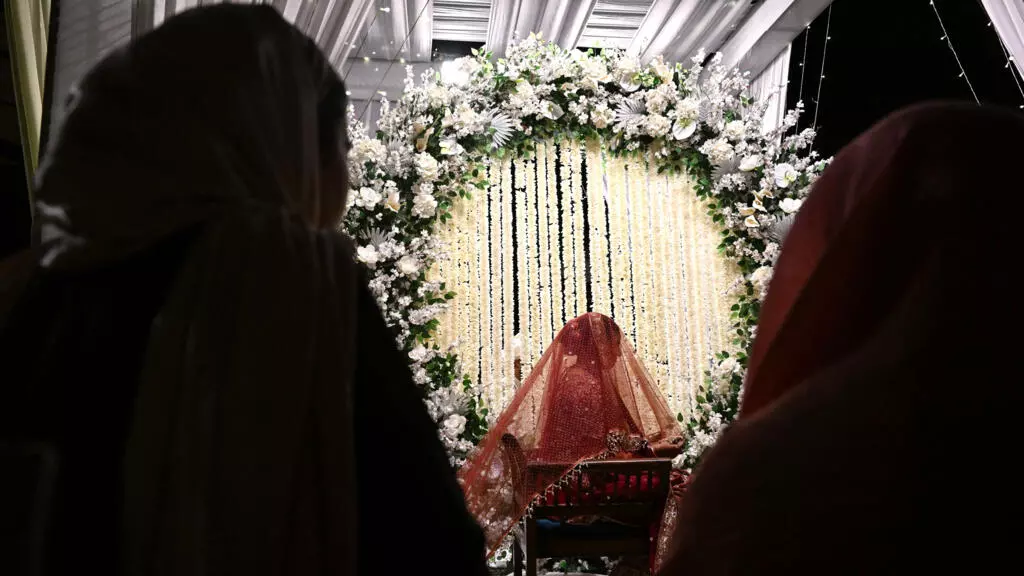
A new anthropological study from King's College London reveals a disturbing link between India's persistent dowry system and a significant increase in feminicides. Despite being outlawed in 1961, the practice remains widespread, often leading to violence and death when brides' families cannot meet the financial demands of grooms' relatives. The study highlights that the dowry has evolved into a market value in matrimony, with higher demands for grooms of greater social standing, including cash, luxury vehicles, and high-end jewelry. Consequently, women are subjected to harassment, physical abuse, and in extreme cases, are burned alive if their families fail to comply. Annual dowry-related deaths have surged from approximately 2,000 in the early 1990s to over 6,500 per year today, a grim reality often reported with indifference by the Indian press, reflecting a societal normalization of marriage as a financial transaction. This transactional view extends to families prioritizing male children as investments, with dowries seen as a means to recoup educational expenses. The study terms this a "logic of extraction," where brides become liabilities if financial demands aren't met, contributing to an estimated 15-16 women being killed daily. This phenomenon is described as structural feminicide, masked by an "organization of indifference," a stark contrast to the public outrage seen in the 1980s over similar incidents. The consequences also manifest in selective abortions of female fetuses, driven by the desire to avoid future dowry expenses, leading to a skewed sex ratio of 927 girls per 1,000 boys nationally, and as low as 754 in Punjab. Feminist groups advocate for a cultural revolution rather than legal reform, urging young people to boycott the dowry system and reject the commodification of marriage, warning that this "silent massacre" will persist as long as daughters are viewed as financial burdens.
The study illuminates a deeply entrenched societal structure in India where marriage has been transformed into a financial transaction, with the dowry system acting as a primary driver of gender-based violence and feminicide. This market-logic, exacerbated by a cultural preference for male heirs and a perceived "return on investment" from grooms, creates a system where women are devalued and vulnerable. The "organization of indifference" described suggests a systemic failure to address this crisis, potentially rooted in patriarchal norms and economic pressures that have normalized such violence. Moving forward, addressing this issue likely requires not just legal enforcement but a profound cultural shift that redefines the value of women beyond economic considerations and challenges the deeply ingrained patriarchal mindset that perpetuates this cycle of violence and discrimination.
AI-generated to prompt reflection — not editorial opinion, not advice, not a statement of fact. How this works.