Dozens of Dead Waterfowl Found in North Holland; Bird Flu Suspected
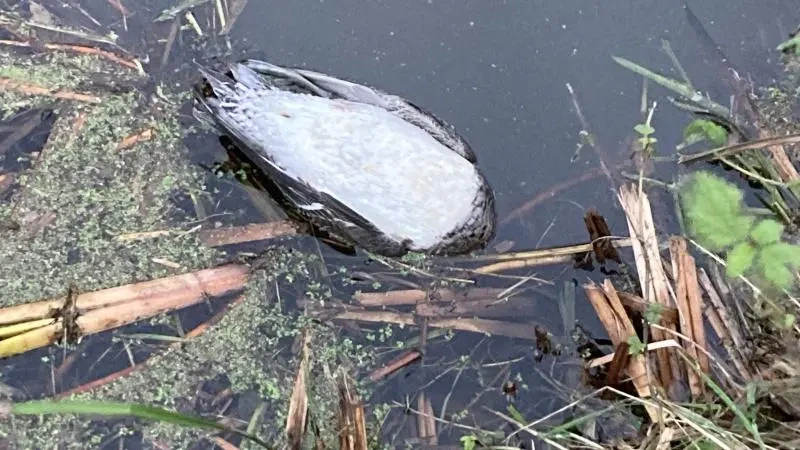
A highly contagious strain of bird flu has been identified in two dead waterfowl in Wormerland, located in the Zaanstreek region of North Holland. In recent days, dozens of deceased water birds have been discovered within the municipality. The local government is urging residents and animal owners to exercise increased vigilance. Investigations are also underway to determine if botulism, a fatal paralytic disease in waterfowl caused by bacterial toxins in water, may also be contributing to the deaths. Multiple warning signs have been erected along waterways. A municipal spokesperson informed regional broadcaster NH that the affected birds are primarily ducks, though geese and a coot have also been reported. The municipality's website indicates that it is possible both diseases are present among the deceased birds. In response, the municipality advises residents to keep cats indoors and to walk dogs only on leashes. Individuals who find a dead or sick bird are instructed to report it to the animal ambulance or the municipality, and are warned against attempting to remove the birds themselves, even with gloves. Further caution is advised for petting zoos, animal fields, and hobby poultry keepers, who should monitor their animals for signs of illness or unexplained mortality. One farm in the polder between Wormer and Zaandam has already implemented precautionary measures, including ceasing to provide water from ditches and keeping chickens indoors, according to the owner speaking to NH.
The discovery of deceased waterfowl in North Holland, with bird flu identified and botulism under investigation, highlights the ongoing challenge of managing zoonotic diseases and environmental health. Public health advisories, such as restricting pet movement and advising against direct contact with affected animals, are standard protocols for mitigating disease spread. The precautionary measures taken by a local farm, such as altering water sources and confining poultry, demonstrate proactive risk management in agricultural settings. This situation underscores the interconnectedness of wildlife health, environmental conditions, and domestic animal populations, necessitating integrated surveillance and response strategies. Looking ahead, the increasing frequency of such outbreaks may necessitate more robust, long-term ecological monitoring and potentially adaptive land-use policies to reduce human-wildlife-livestock interface risks.
AI-generated to prompt reflection — not editorial opinion, not advice, not a statement of fact. How this works.