Dozens of New Volán Buses Operate with Faulty Handbrakes, Missing Blind Spot Monitors
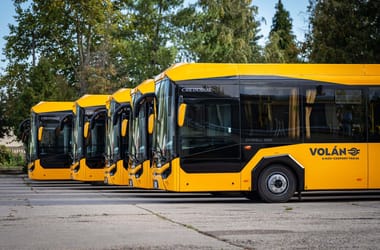
Approximately 900 new buses were ordered by MÁV for Volán services in 2025. However, a circular sent to bus drivers in June of this year revealed that some of these vehicles have an issue with their electric handbrake. In certain cases, the handbrake may not engage or disengage properly, even when the driver attempts to operate it. Despite this defect, the buses are deemed safe for operation. Additionally, many of these new vehicles are reportedly missing the mandatory blind spot monitoring system. This situation raises concerns about the safety and compliance of the new bus fleet.
The procurement of nearly 900 buses by MÁV for Volán services, with subsequent reports of critical safety system failures including handbrake malfunctions and missing blind spot monitors, highlights potential systemic issues in the vehicle acquisition and quality assurance processes. The assertion that buses are "safely operable" despite a faulty handbrake warrants scrutiny, as such a defect could introduce unexpected risks under various operational conditions. The absence of mandatory blind spot monitoring further compounds these concerns, suggesting a possible lapse in regulatory compliance or inspection protocols. Moving forward, a robust review of the procurement chain, supplier oversight, and pre-service inspection procedures is advisable to prevent recurrence and ensure public transportation safety aligns with evolving technological and regulatory standards.
AI-generated to prompt reflection — not editorial opinion, not advice, not a statement of fact. How this works.