Dozens of Police Injured in Bologna Protests Following Arrestee's Death
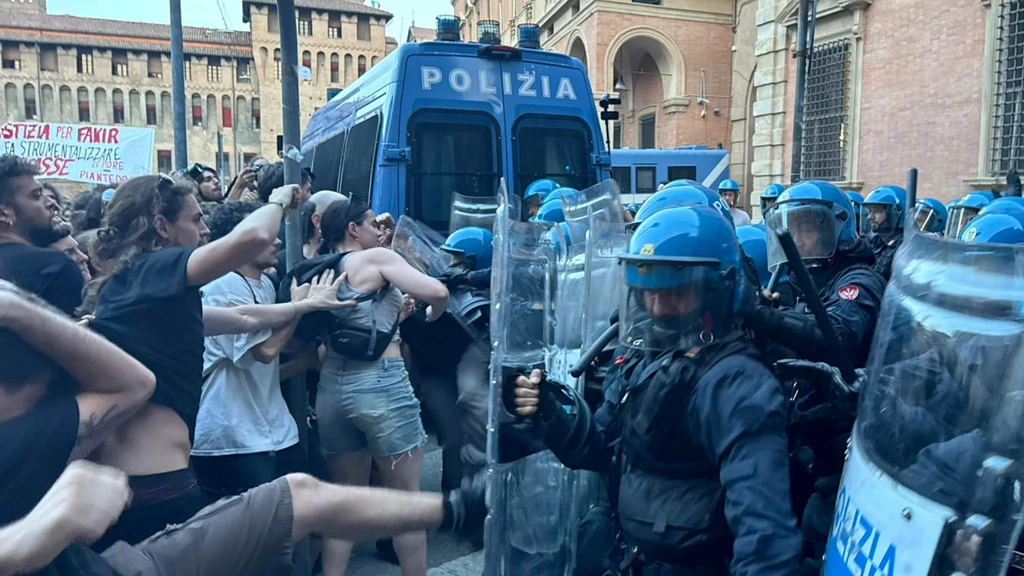
Over sixty police officers were injured during protests in Bologna, Italy, following the death of 43-year-old Abderrahim Fakir during an arrest. The demonstrations, which occurred yesterday, saw significant property damage, including smashed shop windows, torched cars, and destroyed ATMs. The Public Prosecutor's Office has launched an investigation to identify and apprehend the responsible protesters. Demonstrators initially gathered peacefully in two squares to express solidarity with Fakir's family, but violence erupted in one location. Protesters hurled fireworks at the police, prompting Mayor Lepore to condemn the use of violence against law enforcement and emphasize adherence to the rule of law. Prime Minister Meloni has called for a thorough investigation into Fakir's death while also expressing outrage at the violence directed at the police, deeming it unacceptable. Fakir died two days ago after police responded to reports of aggressive behavior, described by Italian media as potentially related to a psychosis. He was reportedly seen hitting a car and a police vehicle. According to Italian media, officers attempted to calm Fakir, using pepper spray when initial efforts failed. Bystander footage appears to show officers restraining Fakir on the ground after he repeatedly called for help, after which he remained motionless. The involved officers, aged 23 and 28, are not suspended but are currently off duty, with one on pre-planned leave and the other on sick leave. Fakir's brother-in-law, Zorgan Hamid, condemned the protest violence, stating the family seeks justice, not revenge, and criticized the police and emergency medical services for their actions during Fakir's arrest, demanding accountability for any mistakes made.
The events in Bologna highlight a critical tension between public accountability for law enforcement actions and the right to protest. The violent escalation by a segment of demonstrators, resulting in numerous police injuries and property destruction, poses a challenge to the legitimacy of the broader movement seeking justice for Abderrahim Fakir. While the family's call for justice, not revenge, underscores a desire for due process, the incident also raises systemic questions about police de-escalation tactics, mental health crisis response, and the transparency of internal investigations. The next decade's focus on community-police relations and the integration of mental health professionals into emergency response will likely shape how such tragic encounters are managed and perceived, emphasizing the need for robust oversight mechanisms that balance public safety with civil liberties.
AI-generated to prompt reflection — not editorial opinion, not advice, not a statement of fact. How this works.