Dozens of rare orchids stolen from Belgian forest; authorities suspect ignorance
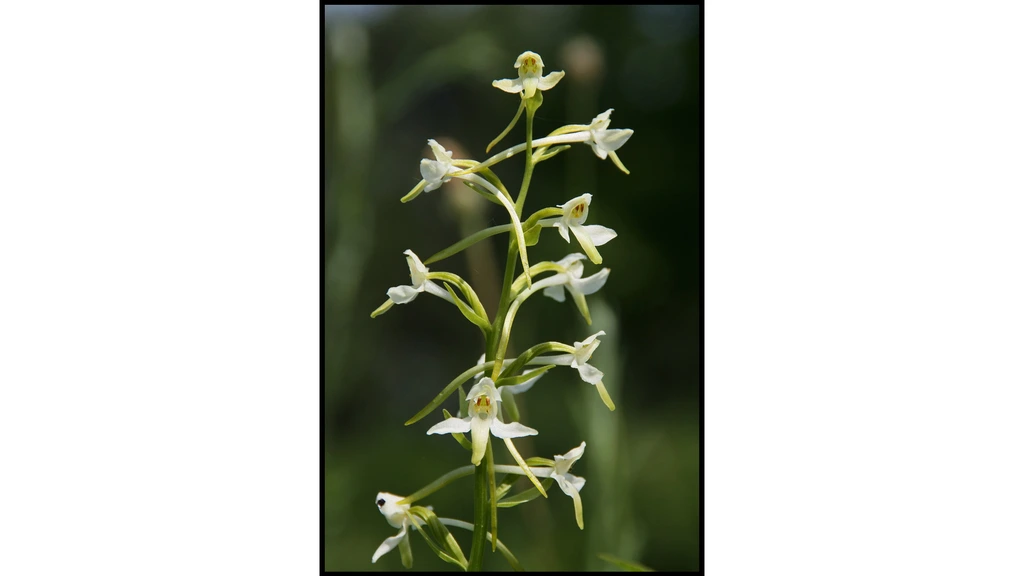
Dozens of very rare orchids, specifically twenty to thirty Ghost Orchids (Epipactis helleborine), have been stolen from a forest in Belgian Limburg. The nature organization Limburgs Landschap reported the theft to the VRT, but has withheld the exact location of the plants to prevent further disturbance to the fragile area. These orchids normally attract moths with their scent, but in this instance, they also attracted human attention. Limburgs Landschap suspects the plants were dug up out of ignorance rather than malice. Manager Dirk Ottenburghs stated that Ghost Orchids rarely survive transplanting to a regular garden and wilt within days in a vase, deeming the act "totally meaningless." The organization has filed a report, though the chances of apprehending the perpetrators are considered slim. Illegally digging up wild plants is prohibited and can result in fines of several hundred euros, with penalties increasing for rarer species. The Ghost Orchid is one of Flanders' rarest wild orchids, found in only a handful of locations. The specific site where the theft occurred still contained several hundred other specimens, benefiting from years of intensive management by Limburgs Landschap that led to population growth. The orchid's rarity stems from its need for highly specific conditions, including calcareous soil, precise moisture and light levels, and dependence on certain soil fungi. The Ghost Orchid is listed on the Red List of plants in the Netherlands and is legally protected in both the Netherlands and Belgium.
The theft of rare Ghost Orchids highlights a conflict between conservation efforts and public interaction with natural heritage. While the act is illegal and detrimental to a protected species, the organization's attribution to ignorance rather than malice suggests a potential gap in public awareness regarding the ecological fragility and legal protections of such flora. Future strategies could involve enhanced educational outreach and community engagement programs in vulnerable areas, fostering a sense of stewardship rather than merely relying on punitive measures. Considering the increasing pressures on biodiversity from human activity, understanding and addressing the motivations behind such actions—whether ignorance, collection, or other desires—is crucial for developing more effective conservation policies that balance ecological needs with human engagement in the coming decade.
AI-generated to prompt reflection — not editorial opinion, not advice, not a statement of fact. How this works.