Dozens of Trout Found Dead in Campos do Jordão River; Contamination Suspected
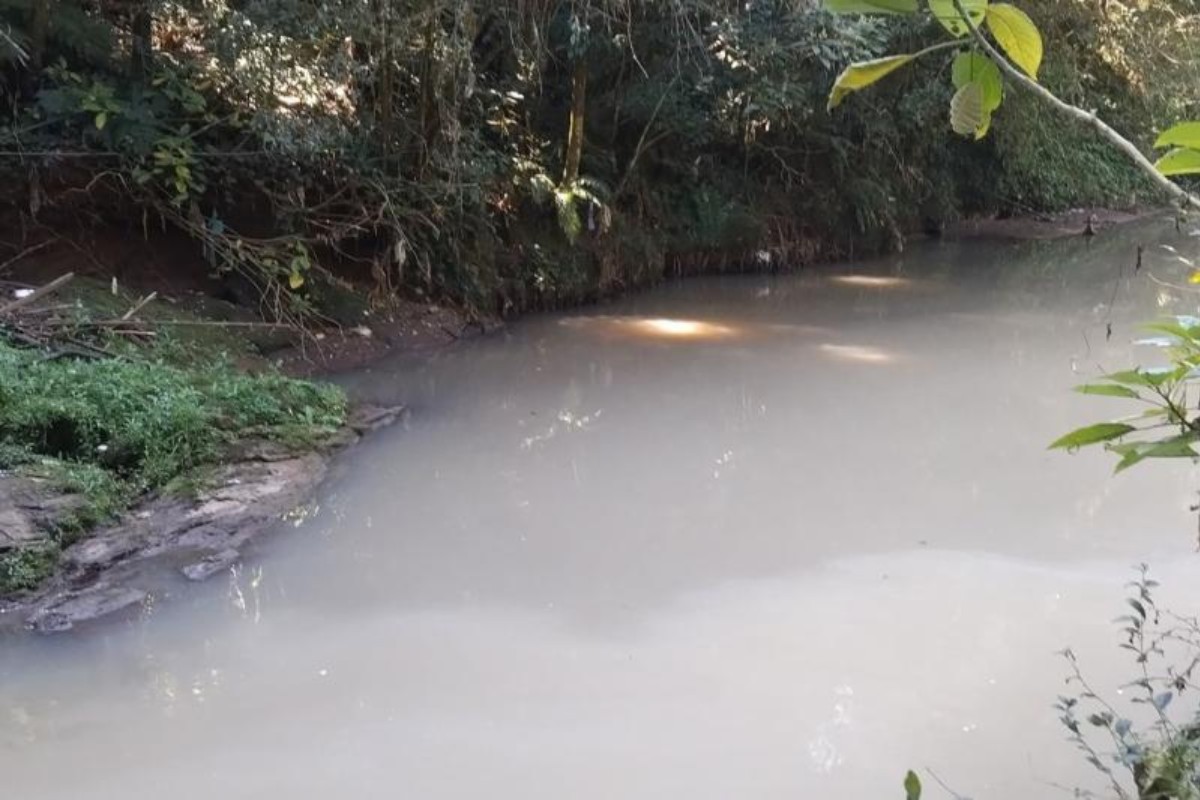
Approximately 30 trout were discovered dead in the Sapucaí-Guaçu River in Campos do Jordão, São Paulo. The municipality is investigating the cause of death, with water contamination being the primary suspicion. The dead fish were found in the Lagoinha neighborhood. Near the Forest Garden, municipal environmental technicians observed a whitish substance in the water close to a Sabesp sewage treatment plant. Authorities hypothesize that the trout may have passed through the contaminated area and died downstream. Another possibility being explored is that reduced river flow has led to lower water oxygen levels. The São Paulo State Environmental Company (Cetesb) has dispatched teams to inspect the site, and other regulatory bodies, including Arsesp and URAE-1, are monitoring the situation. The municipality requested Sabesp to temporarily halt effluent discharge, after which the water reportedly returned to normal, though monitoring continues. Environmental officials also plan to request Sabesp's sewage treatment records. Sabesp stated that an operational issue at the Vila Mantiqueira sewage pumping station occurred on July 28-29 but was resolved. The company's preliminary analysis suggests the whitish substance is unrelated to treated sewage, pointing instead to a clandestine chemical discharge. Sabesp is cooperating with the ongoing investigation.
The discovery of dead fish in the Sapucaí-Guaçu River prompts an examination of water quality management and industrial oversight. The presence of a whitish substance near a sewage treatment plant, coupled with Sabesp's statement about potential clandestine chemical discharge, highlights the challenge of identifying and preventing illicit pollution. Regulatory bodies like Cetesb and Arsesp play a crucial role in investigating such incidents and ensuring compliance with environmental standards. Moving forward, a focus on enhanced real-time water quality monitoring systems and stricter enforcement against illegal dumping could mitigate future ecological damage. The incident also underscores the interconnectedness of urban infrastructure, environmental health, and the need for transparent communication between utility providers and the public.
AI-generated to prompt reflection — not editorial opinion, not advice, not a statement of fact. How this works.