Dozens of Zambezi Pupils Absent from School Due to Flooding
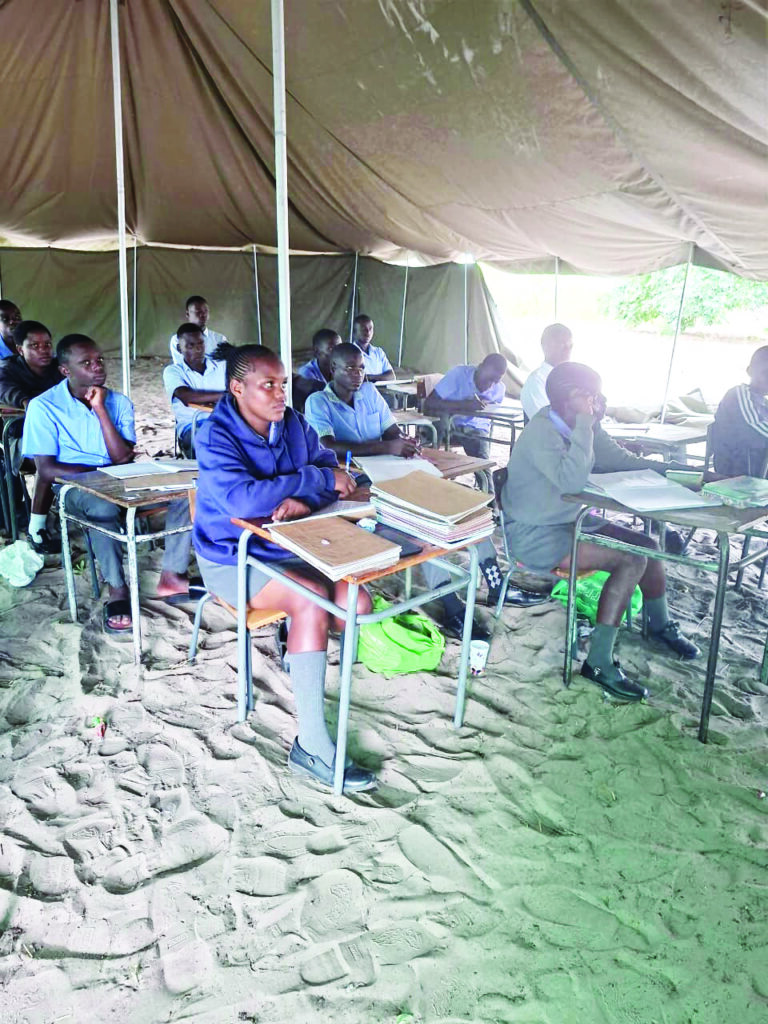
Dozens of students from three schools in the Zambezi region have not returned to classes since the start of the current term due to severe flooding. The affected educational institutions are Muzii Combined School, Nankuntwe Combined School, and Mpukano Primary School. These schools were among more than nine that had to be relocated to higher ground in response to the annual floods that regularly impact the area. The Zambezi education directorate has reported that a significant number of pupils are still missing from these flood-affected schools. This situation highlights the ongoing challenges faced by communities in the region due to recurring natural disasters. The absence of these pupils raises concerns about their continued education and potential learning loss. The directorate is likely monitoring the situation to assess the full impact and plan for remedial actions. The relocation of schools is a measure to mitigate the effects of these annual floods, but the displacement of students indicates the severity of the recent events.
The recurring displacement of students due to annual flooding in the Zambezi region points to a systemic challenge in adapting educational infrastructure to environmental realities. While relocating schools to higher ground is a necessary mitigation strategy, the continued absence of pupils suggests that the impact extends beyond physical access, potentially involving economic hardship, loss of resources, or psychological distress for affected families. Future planning should consider more resilient infrastructure solutions and robust support systems to ensure educational continuity during and after natural disasters. This event underscores the intersection of climate vulnerability, public services, and socio-economic equity, demanding proactive, long-term strategies that prioritize student well-being and educational outcomes in the face of predictable environmental disruptions.
AI-generated to prompt reflection — not editorial opinion, not advice, not a statement of fact. How this works.