DPS President Criticizes State for Undermining Tourism Season
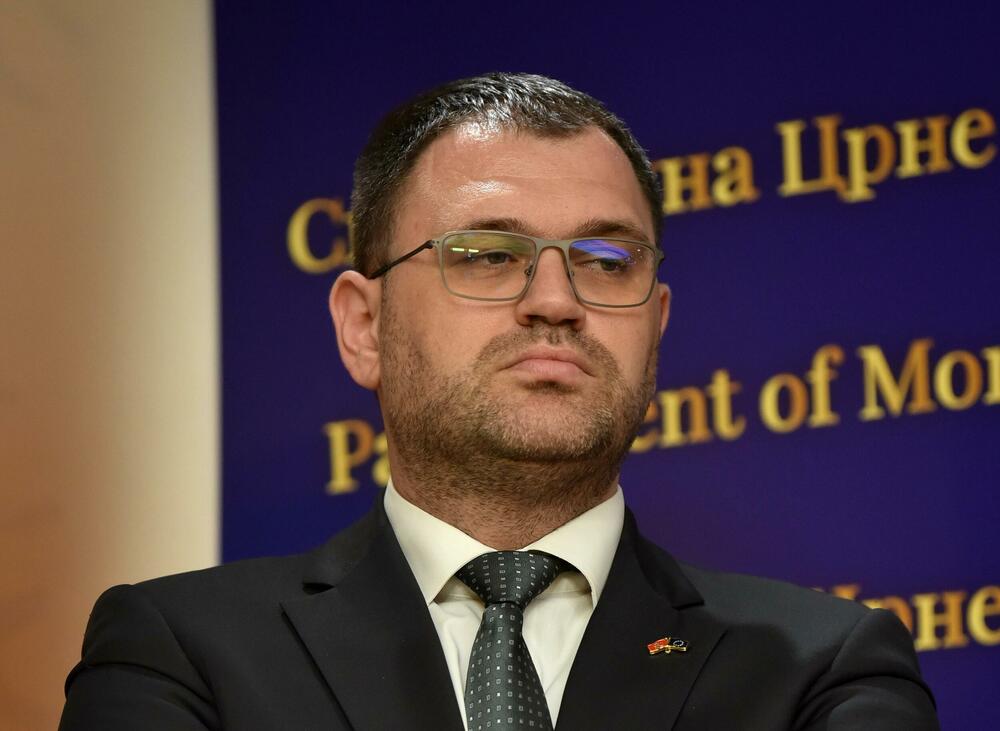
The President of the Democratic Party of Socialists (DPS), Milo Đukanović, stated that despite the hard work of many individuals contributing to a potentially good tourist season, the state and its flawed system are unfortunately negating these efforts. He expressed great respect for all those working responsibly and diligently under difficult summer conditions. Đukanović believes that systemic errors are overshadowing the positive contributions of individuals, thereby jeopardizing the overall success of the tourism season. The current state apparatus, according to him, is failing to provide the necessary support and smooth functioning for the sector. This situation, he argues, is a disservice to the dedicated workers and the potential economic benefits of a strong tourist season. The DPS leader implied that a lack of effective governance is the root cause of these systemic failures. He suggested that without addressing these fundamental issues, the country will continue to struggle in capitalizing on its tourism potential. The statement highlights a significant disconnect between individual efforts and state-level support in Montenegro's crucial tourism industry.
The statement by the DPS President highlights a common tension between individual entrepreneurial spirit and the effectiveness of state governance in managing key economic sectors like tourism. From a systems perspective, the critique points to potential inefficiencies or misalignments within the state apparatus that hinder the realization of economic potential, despite positive contributions from private actors. This suggests a need to examine incentive structures and operational frameworks within public administration to ensure they actively support, rather than inadvertently obstruct, economic growth drivers. Looking ahead, as global tourism increasingly relies on seamless digital experiences and robust infrastructure, such systemic friction could become a more significant impediment to competitiveness in the coming decade. Addressing these governance challenges is crucial for long-term economic resilience and sustainable development.
AI-generated to prompt reflection — not editorial opinion, not advice, not a statement of fact. How this works.
