Dr. Shekhar Koirala Criticizes Rise of Authoritarianism in Nepali Congress
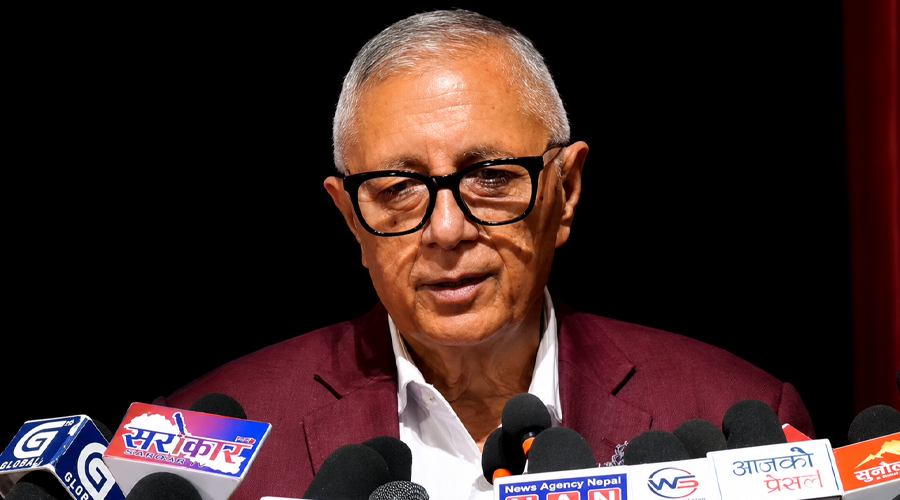
Dr. Shekhar Koirala, a prominent figure within the Nepali Congress party, has voiced strong concerns regarding the emergence of authoritarian rule within the party's structure. He stated that the party is witnessing the birth of autocracy and emphasized the urgent need for its cessation. Dr. Koirala's remarks highlight a perceived shift towards undemocratic practices and decision-making processes within the Nepali Congress. He believes that this trend poses a significant threat to the party's core values and its ability to function democratically. The call for an end to this perceived authoritarianism suggests an internal struggle for power and ideological direction within the party. Dr. Koirala's public statement indicates a potential division among party members regarding its future leadership and governance. The situation points to a critical juncture for the Nepali Congress as it navigates internal dissent and seeks to uphold its democratic principles.
Dr. Koirala's critique points to potential governance challenges within the Nepali Congress, suggesting a tension between established party hierarchies and democratic internal processes. Such internal dissent often arises when leadership styles or decision-making mechanisms are perceived as overly centralized, potentially stifling broader participation and debate. In the context of Nepal's evolving political landscape, parties that fail to adapt their internal governance to foster inclusivity and responsiveness may face challenges in maintaining public trust and electoral relevance. The long-term implications for the party will likely depend on its capacity to address these internal structural issues and reconcile differing visions for its future direction, especially as technological advancements and societal expectations continue to reshape political engagement.
AI-generated to prompt reflection — not editorial opinion, not advice, not a statement of fact. How this works.