Dracena, SP Hosts Traditional Cavalcade with Over 500 Riders and Agricultural Parade
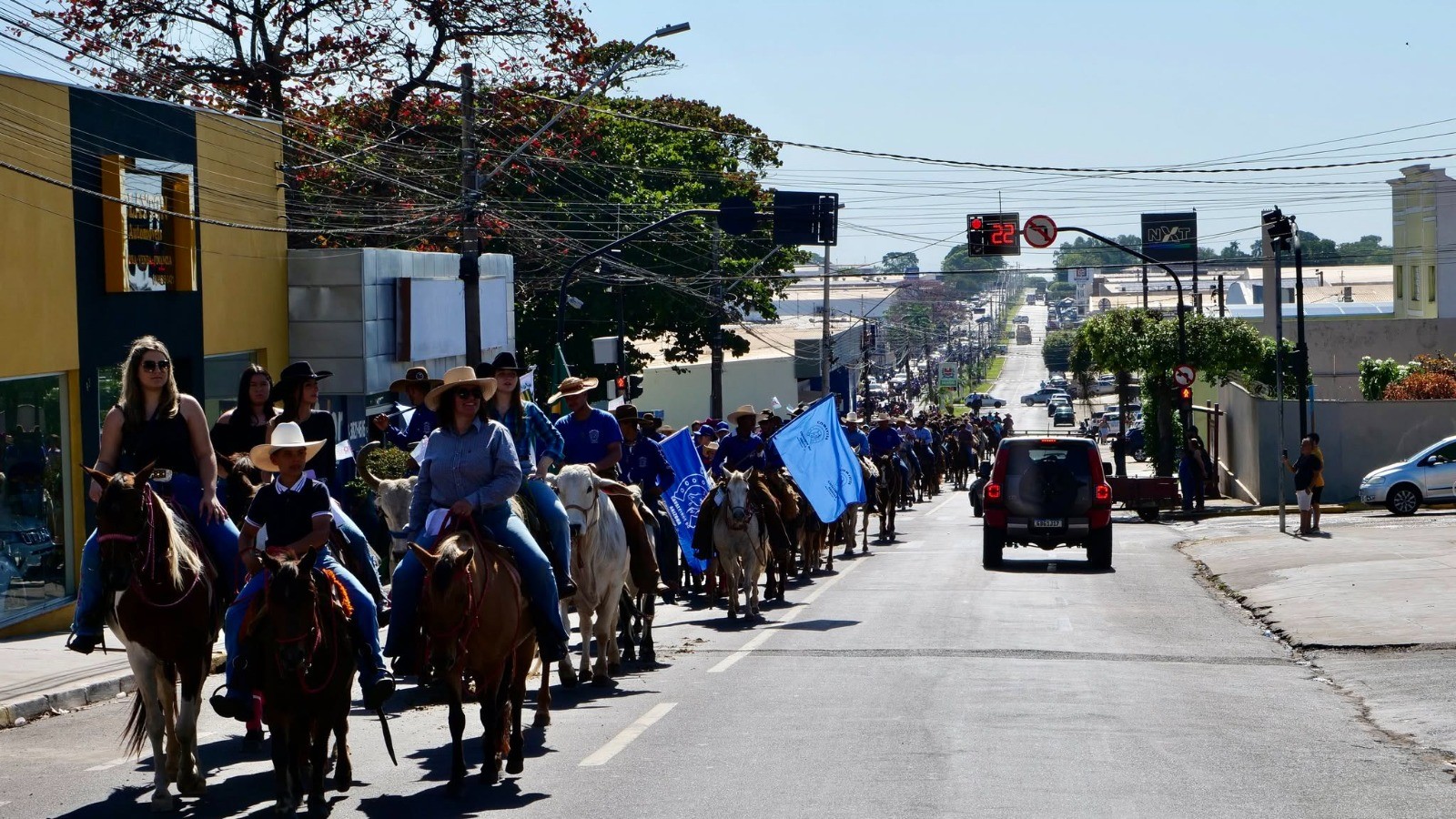
Dracena, located in the interior of São Paulo state, Brazil, is set to host its traditional cavalcade this Saturday, the 4th, starting at 10 AM. The event is expected to draw over 500 participants, including equestrians and a parade of trucks and tractors, celebrating local heritage and agricultural ties. Seventeen confirmed groups, known as 'comitivas,' will participate in the procession. The planned route will traverse major avenues, including Washington Luís, Presidente Vargas, Presidente Roosevelt, and José Bonifácio, with temporary traffic disruptions anticipated along these segments. The Prefeitura de Dracena highlighted that the cavalcade aims to revive the city's history, tradition, and pride, serving as a prelude to the upcoming Fapidra rodeo event. This year's event builds on the success of last year's addition, which featured a parade of agricultural machinery and vehicles from companies associated with the agro-industrial sector. The cavalcade is a collaborative effort, supported by the Prefeitura de Dracena, the Federação da Agricultura e Pecuária do Estado de São Paulo (Faesp), the Serviço Nacional de Aprendizagem Rural (Senar), and the Sindicato Rural. Traffic management and safety during the event will be overseen by the Military Police.
This event underscores the enduring cultural significance of traditional gatherings and rural heritage in Brazil's interior. The integration of agricultural machinery into a historical equestrian parade reflects the evolving landscape of the agro-industrial sector and its deep roots within local identity. Such events can serve as powerful tools for community cohesion and economic promotion, particularly for regional tourism and agricultural businesses. However, organizers must balance the preservation of tradition with modern logistical and safety considerations, ensuring public access and minimizing disruption. As Brazil continues its trajectory as a global agricultural powerhouse, events like this highlight the interplay between historical practices and contemporary economic drivers, offering a glimpse into the social fabric that supports its vast agricultural output.
AI-generated to prompt reflection — not editorial opinion, not advice, not a statement of fact. How this works.