DRAM Chip Supply May Plummet 70% Next Year Amid AI Demand
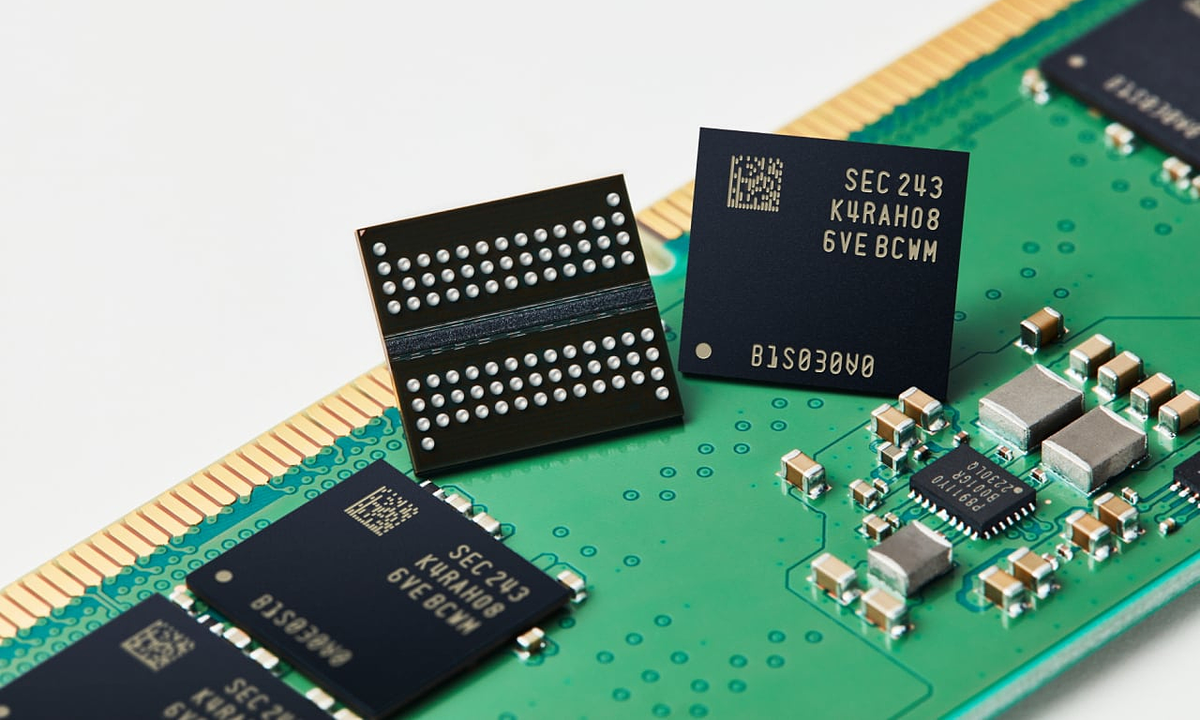
The burgeoning AI boom is projected to significantly impact the semiconductor market, potentially causing a 70% reduction in DRAM chip supply next year. Major semiconductor manufacturers are reportedly shifting their production capacity towards High Bandwidth Memory (HBM), a type of memory crucial for AI applications. This strategic pivot is expected to create a bottleneck for the supply of standard DRAM chips. The redirection of resources towards HBM is driven by the anticipated surge in demand for AI-powered technologies. Consequently, the market could face a severe shortage of DRAM, which is a fundamental component in a wide range of electronic devices, from servers to personal computers. Industry analysts are closely monitoring this trend, as it could lead to increased prices and affect the availability of consumer electronics and other technology products reliant on DRAM. The long-term implications for the semiconductor supply chain and the broader tech industry remain uncertain.
AI's rapid advancement is creating significant supply chain reconfigurations within the semiconductor industry. The prioritization of HBM over traditional DRAM reflects a market dynamic driven by the specialized demands of AI computation. This shift highlights the potential for future technological progress to create supply-demand imbalances for foundational components. Companies must navigate these evolving requirements by balancing immediate high-demand products with the sustained need for more general-purpose memory. Investors and consumers may face price volatility and availability challenges as the industry adapts to these new technological imperatives over the next decade.
AI-generated to prompt reflection — not editorial opinion, not advice, not a statement of fact. How this works.