DRAM Supply for Module Makers May Plummet Over 70% by 2027 Amid AI Demand
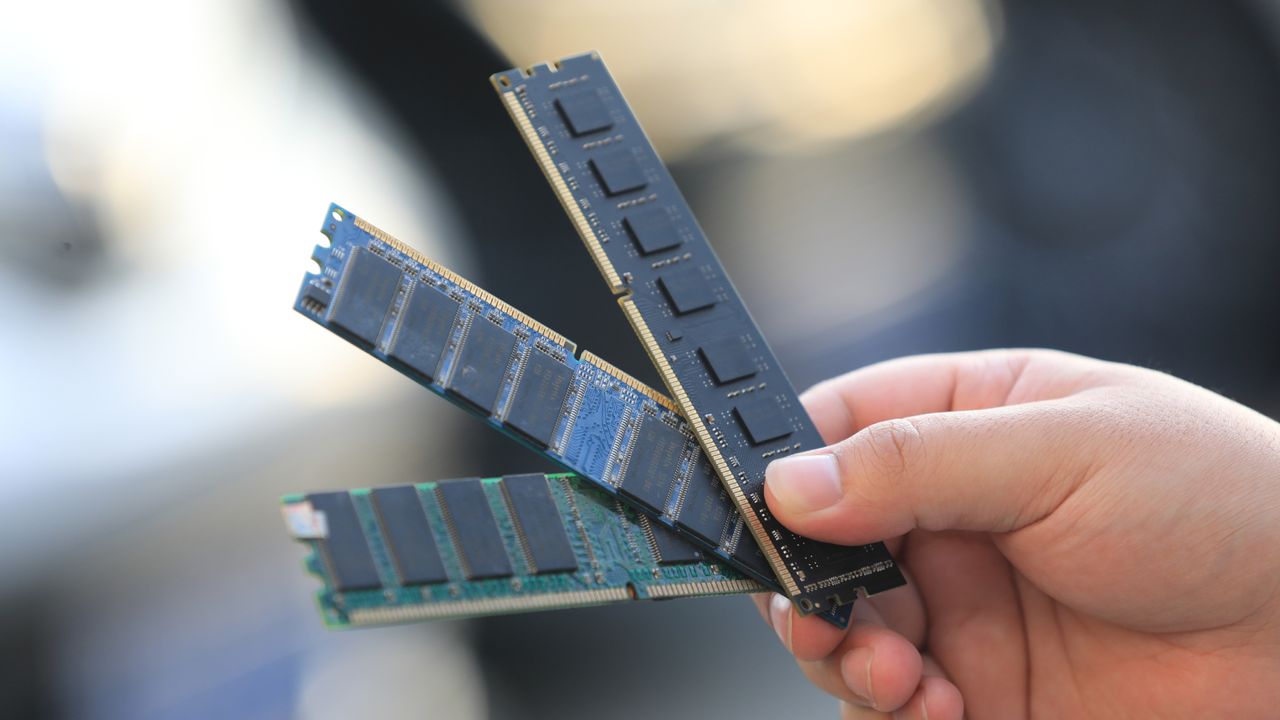
The CEO of Apacer has issued a stark warning regarding the future supply of DRAM chips to module manufacturers. He projects that allocations could decrease by more than 70% year-on-year by 2027, potentially falling below 30% of 2026 levels. This significant reduction is driven by the escalating demand for High Bandwidth Memory (HBM) and server RAM, which are consuming a substantial portion of global manufacturing capacity. The intense competition for these advanced memory types is diverting resources away from the production of standard DRAM modules. Consequently, Apacer anticipates a tightening of the overall DRAM supply, which is likely to exert upward pressure on memory prices. This situation highlights a critical bottleneck in the semiconductor supply chain, where the burgeoning needs of artificial intelligence applications are reshaping production priorities and potentially impacting the availability of components for other sectors.
The projected sharp decline in DRAM supply for module makers reflects a fundamental shift in semiconductor manufacturing priorities, driven by the insatiable demand for AI-specific memory solutions like HBM. This reallocation of production capacity, while necessary to meet the immediate needs of the AI boom, creates a significant supply-demand imbalance for conventional DRAM. The resulting price increases for memory components could have ripple effects across various technology sectors, potentially slowing innovation or increasing costs for consumer electronics and enterprise solutions not directly tied to AI. Companies will need to strategically manage their supply chains, explore alternative memory technologies, or invest in capacity expansion to navigate this evolving landscape over the next decade. The situation underscores the systemic challenge of balancing specialized, high-demand applications with broader market needs within finite manufacturing constraints.
AI-generated to prompt reflection — not editorial opinion, not advice, not a statement of fact. How this works.