DRC Ebola Outbreak: Over 1,400 Deaths and 3,200 Cases Confirmed
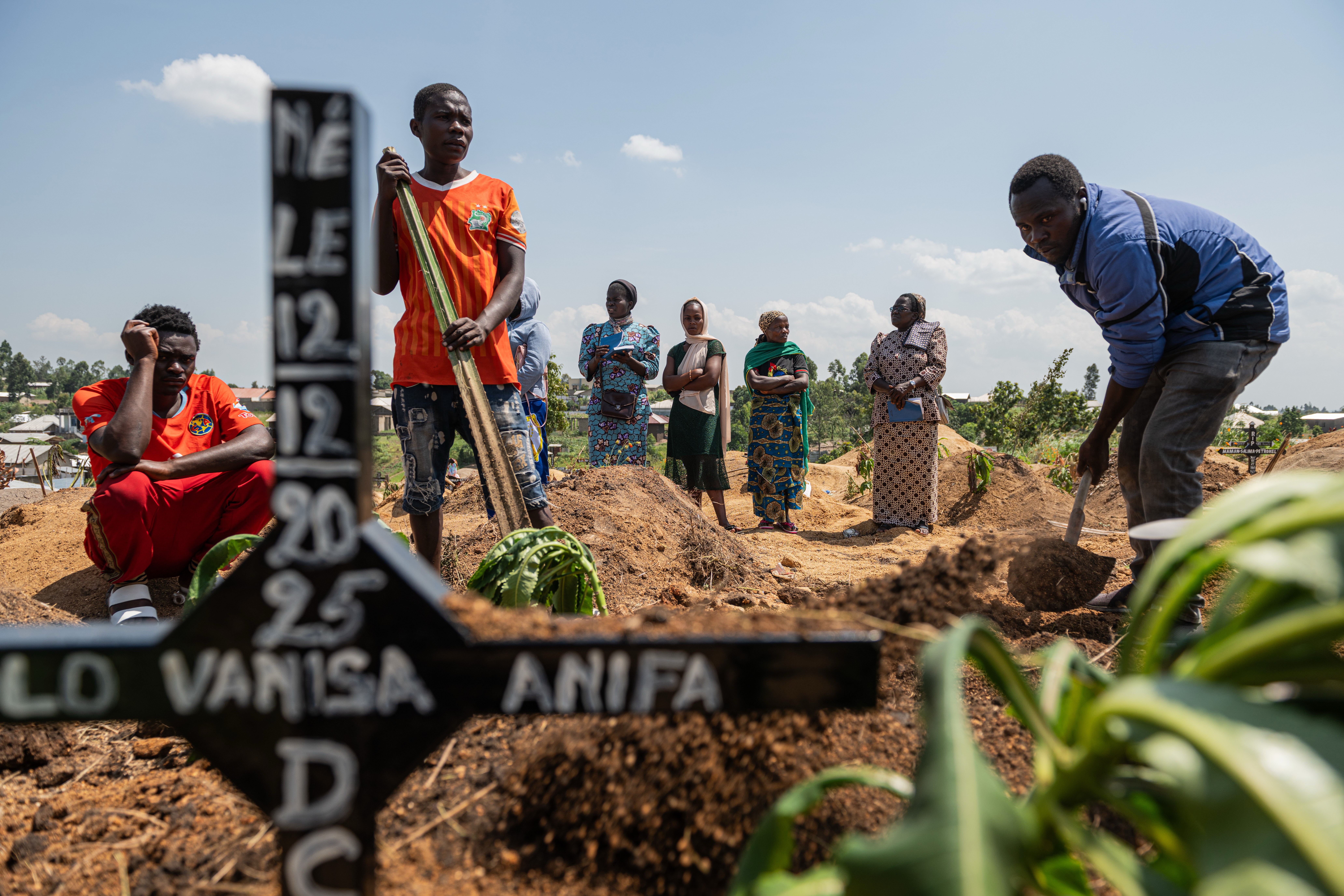
The Democratic Republic of Congo (DRC) has reported a significant escalation in its Ebola outbreak, with the total number of confirmed cases reaching 3,200 and the death toll climbing to 1,405 as of July 25th. This brings the case fatality rate to 43.9%. Currently, 773 patients are hospitalized or in isolation, while 571 individuals have recovered. Contact tracing efforts have reached 77.8% of contacts, though experts suspect a substantial number of infections remain undetected. In the ten days leading up to July 25th, over a thousand new infections were recorded, indicating a rapid spread of the virus. The outbreak is primarily concentrated in the eastern DRC, particularly in the Ituri province, which accounts for nearly 90% of cases according to the WHO. Other affected provinces include North Kivu, South Kivu, Haut-Uele, and Tshopo. The epidemic also spread to neighboring Uganda, which reported 20 confirmed infections before declaring its last patient recovered on July 16th, initiating a 42-day countdown to potentially end the outbreak there. The Bundibugyo virus, responsible for this outbreak, currently has no specific vaccine or treatment, though it is transmitted through bodily fluids and causes hemorrhagic fever. Researchers are actively developing vaccines and treatments, with one experimental vaccine using similar technology to AstraZeneca's COVID-19 vaccine entering trials. This marks the third-worst Ebola epidemic in history and the 17th to affect the DRC. Safe burial practices are being emphasized by the National Public Health Institute to curb transmission. Globally, Ebola has caused over 15,000 deaths in Africa over the past 50 years.
The escalating Ebola outbreak in the DRC highlights the persistent challenges of disease containment in regions affected by protracted conflict and under-resourced public health infrastructure. The high number of unrecorded infections suggests a critical gap in surveillance and reporting mechanisms, potentially exacerbated by insecurity and limited access to affected populations. While the development of experimental vaccines offers a glimmer of hope, their efficacy and equitable distribution in a complex operational environment remain significant hurdles. The concentration of cases in eastern DRC, a region historically impacted by armed conflict, underscores the interconnectedness of security, governance, and public health. Future strategies must integrate robust epidemiological surveillance with community engagement and long-term development initiatives to build resilience against recurring health crises.
AI-generated to prompt reflection — not editorial opinion, not advice, not a statement of fact. How this works.