DRC Ebola Outbreak Spreading at Unprecedented Speed, Health Agency Warns
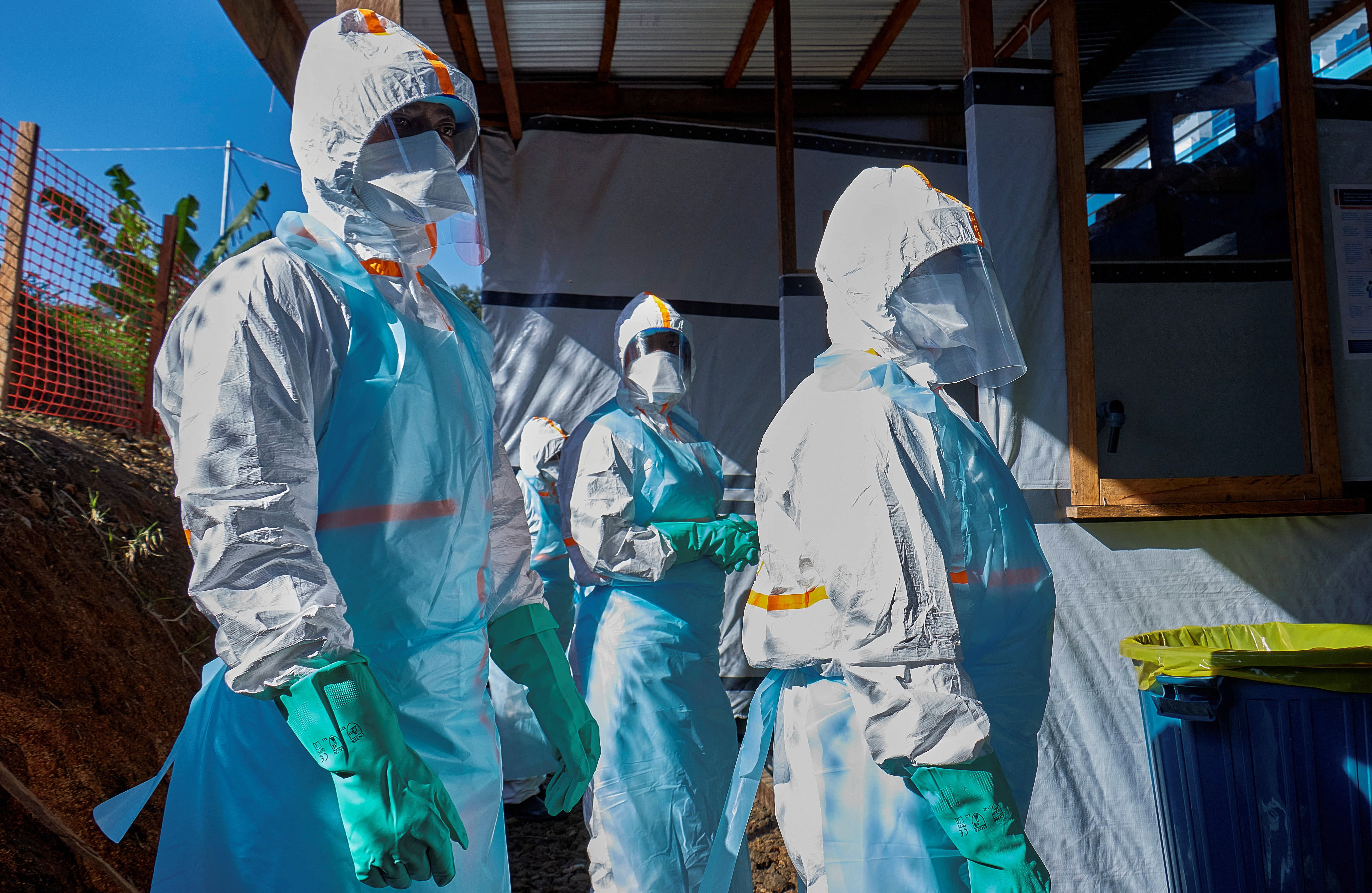
The Ebola outbreak, officially declared in the Democratic Republic of Congo (DRC) on May 15, is spreading faster than any previous outbreak, according to the Africa CDC, the health agency of the African Union (AU). As of Tuesday, May 7, 600 deaths had been recorded out of 1,759 confirmed cases in the DRC since the current outbreak began. The World Health Organization (WHO) reported that the situation remains stable in neighboring Uganda, which is also at risk.
Wessam Mankoula, head of emergency operations for the Africa CDC, stated that the virus is advancing faster than response efforts and that resources for control are not being mobilized quickly enough. The eastern region of the DRC, considered the epicenter, continues to see a steady increase in cases, with estimates suggesting the volume of cases could double approximately every 28 days. Mankoula emphasized that this is the fastest-spreading Ebola outbreak ever recorded, surpassing not only the Bundibugyo virus epidemic but all types of Ebola viruses.
Ebola, transmitted through contact with bodily fluids of infected individuals, causes hemorrhagic fever and has killed over 15,000 people in Africa over the past 50 years. The most lethal epidemic in the DRC between 2018 and 2020 claimed nearly 2,300 lives. This marks the 17th Ebola outbreak in the DRC, and while there is no specific vaccine or treatment for the Bundibugyo variant, a clinical trial involving two treatments commenced on July 2, according to the WHO.
The rapid spread of the Ebola outbreak in the DRC highlights persistent challenges in public health response, particularly in regions with limited infrastructure and resources. The stated disparity between the virus's transmission speed and the mobilization of control measures suggests systemic issues in preparedness and international coordination. While the Bundibugyo variant lacks specific treatments, the initiation of clinical trials offers a potential pathway for future containment strategies. Looking ahead, the recurring nature of Ebola outbreaks in the DRC underscores the need for sustained investment in epidemiological surveillance, community engagement, and resilient healthcare systems to mitigate the impact of future epidemics in the face of evolving global health dynamics.
AI-generated to prompt reflection — not editorial opinion, not advice, not a statement of fact. How this works.