DRC Ebola Response: Community Workers and Leaders Tackle Misinformation in Ituri
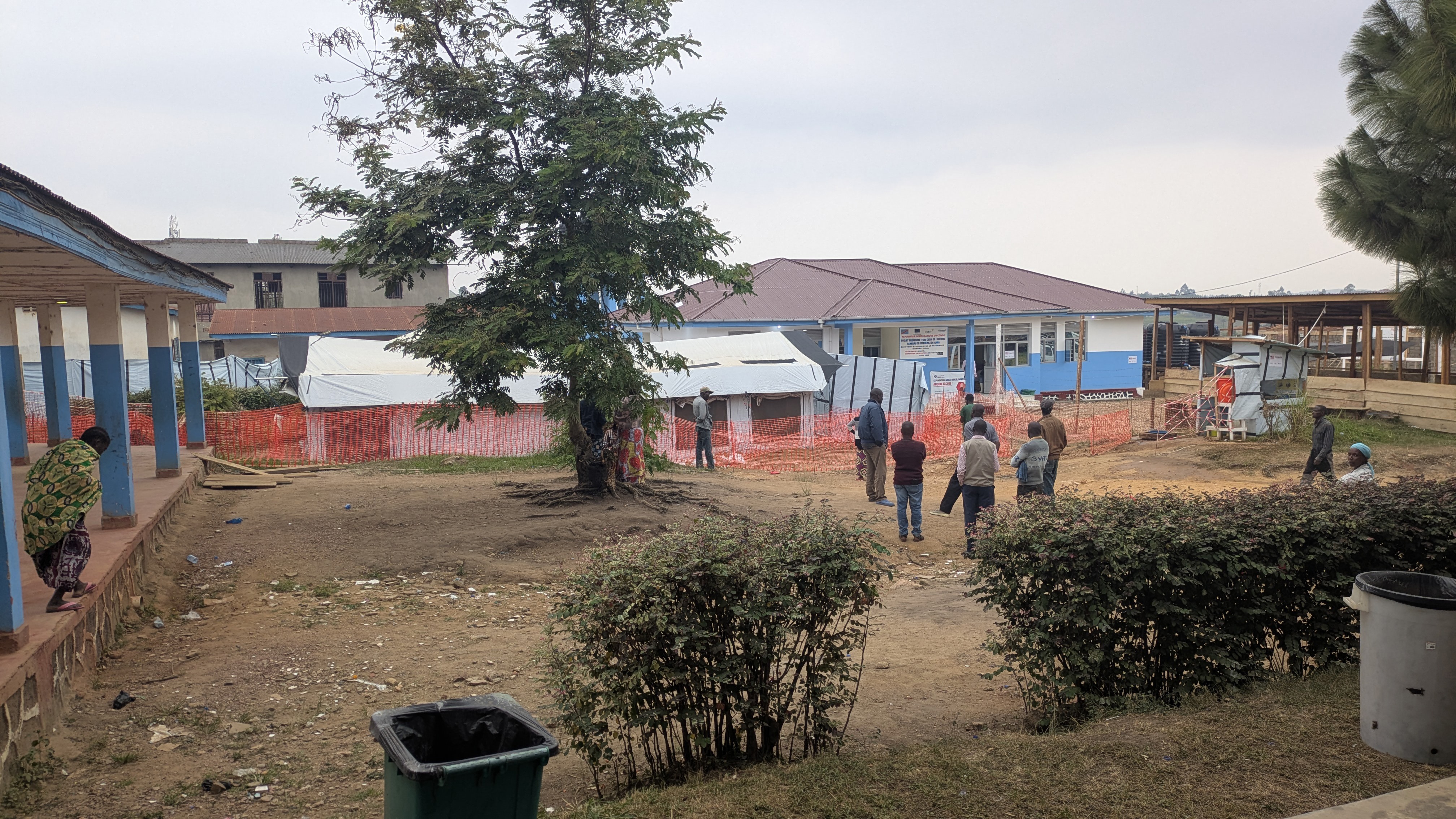
In the Ituri province of the Democratic Republic of Congo (DRC), a significant battle against the Ebola epidemic is being waged beyond traditional medical facilities. Community health workers and religious leaders are actively engaged in door-to-door outreach. Their primary objectives are to counter misinformation, foster trust among the populace, and promote prompt treatment seeking. This initiative is particularly crucial as there is currently no vaccine available for the specific Bundibugyo strain of the virus. The efforts underscore a vital lesson learned from past Ebola outbreaks: the indispensable role of community trust in effectively containing the spread of the virus. These frontline workers are essential in bridging the gap between public health efforts and the communities they serve, ensuring that vital information reaches every household.
The effectiveness of public health interventions, particularly in regions facing infectious disease outbreaks, is demonstrably linked to community engagement strategies. The reliance on local health workers and religious leaders in the DRC's Ebola response highlights the critical need for culturally sensitive and trust-based communication channels. This approach addresses potential barriers such as misinformation and fear, which can impede vital public health measures. Moving forward, robust investment in these community-level networks, alongside scientific advancements, will be crucial for building resilient public health systems capable of responding to future health crises. The long-term challenge lies in sustaining these trust-building efforts beyond immediate emergencies to foster ongoing health security.
AI-generated to prompt reflection — not editorial opinion, not advice, not a statement of fact. How this works.