Drive-In Cinemas: More Than Just "Kissing Theaters" - Appeal and Evolution
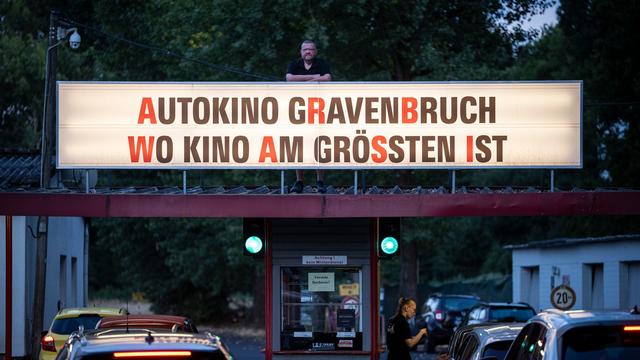
Drive-in cinemas, often nostalgically referred to as "Knutschkino" or "kissing theaters," offer a unique cinematic experience that transcends their simple, often romanticized, image. These venues have undergone significant evolution, adapting to changing times and technologies while retaining their core appeal. The concept allows audiences to enjoy films from the comfort and privacy of their own vehicles, providing a distinct alternative to traditional movie theaters.
Historically, drive-ins were popular social hubs, particularly in the mid-20th century. Their resurgence in recent years, partly fueled by the COVID-19 pandemic, highlights their enduring charm and adaptability. Modern drive-ins often incorporate enhanced sound systems, digital projection, and diverse food options, moving beyond the basic offerings of the past. This evolution caters to a contemporary audience seeking both novelty and convenience, proving that the drive-in cinema remains a relevant and engaging form of entertainment.
The enduring appeal of drive-in cinemas suggests a latent demand for communal entertainment experiences that prioritize personal space and flexibility. In an era increasingly dominated by digital streaming and personalized media consumption, the drive-in model offers a compelling blend of social interaction and individual autonomy. Its adaptability, demonstrated by recent technological upgrades and its resilience during public health crises, indicates a potential for further innovation. Future iterations might integrate augmented reality elements or enhanced in-car services, further solidifying its niche in the evolving entertainment landscape by leveraging technological advancements to amplify its unique value proposition.
AI-generated to prompt reflection — not editorial opinion, not advice, not a statement of fact. How this works.
