Driver claims mistaken identity after hitting municipal guard in Salto de Pirapora
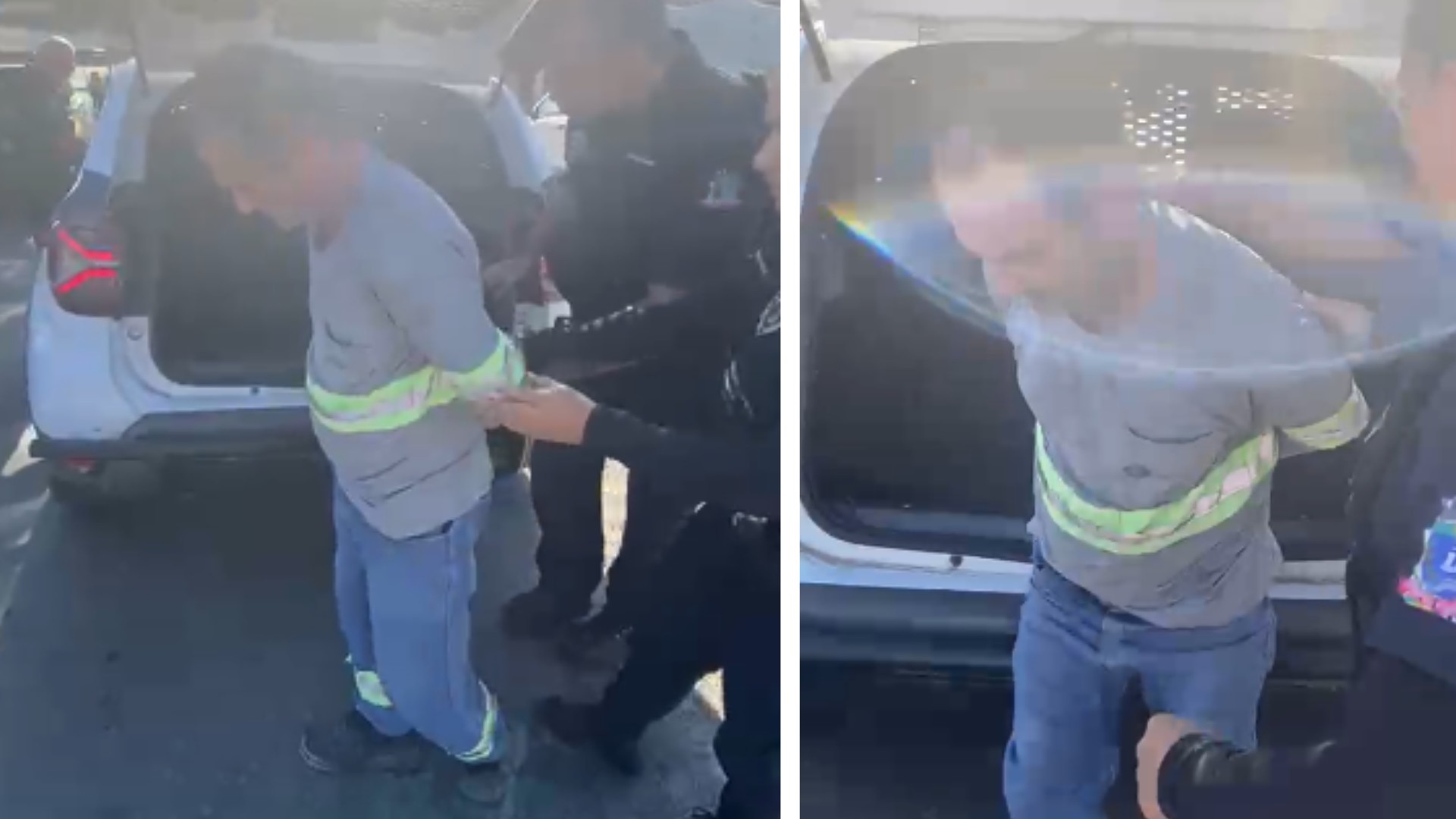
A driver, identified as Uido do Amaral, has been arrested in Piedade, São Paulo, for intentionally striking a municipal guard with his car in Salto de Pirapora on Monday morning, May 6th. Amaral allegedly stated that the guard was the wrong target and that he intended to attack another man. Witnesses reported that after hitting the guard's motorcycle, Amaral exited his vehicle and remarked to the fallen victim, "Wrong person." Security footage captured the red car colliding with the motorcycle, throwing the rider to the ground. A pedestrian rushed to assist the injured guard. The report indicates that Amaral then accelerated, made a sharp turn, and drove back against traffic, aiming the car directly at the downed motorcycle, narrowly missing the guard and his wife who were nearby. Amaral reportedly exited his car again, this time brandishing a chain and approaching the victim threateningly, but the guard's wife intervened. The vehicle used in the attack is registered to Amaral's ex-wife, and a restraining order was previously issued against him. The incident is being investigated as attempted homicide by the Salto de Pirapora police, who have requested forensic examination of the car and medical tests for the victim.
This incident highlights the critical intersection of personal disputes and public safety, exacerbated by the alleged use of a vehicle as a weapon. The driver's claim of mistaken identity, if true, points to a potential premeditated act targeting a specific individual, with the municipal guard becoming an unintended victim due to proximity or circumstance. The presence of a restraining order and the vehicle's registration suggest a history of domestic conflict or harassment, raising questions about the effectiveness of protective measures and the escalation of personal grievances into violent public acts. The incident underscores the vulnerability of individuals in public spaces and the challenges law enforcement faces in preventing such targeted aggressions, particularly when personal conflicts spill over into potentially lethal confrontations.
AI-generated to prompt reflection — not editorial opinion, not advice, not a statement of fact. How this works.